
My mission
Building the systems and policies that make medical innovation possible
Most people think of new cures in terms of lab breakthroughs and clinical expertise. I focus on something less visible: the policies, rules, and information systems that make those breakthroughs usable in the real world. My career is about improving all the small steps in that process: how a drug gets reviewed, the incentives for development, how safety information reaches doctors, and how data flows through the health care system.
We like to imagine that good legislation alone changes everything, but policy rarely works that way. To create better care, we need people who think about execution. How do we build incentives that align with public health? How do we structure institutions so that society gets better treatments, faster?
It also involves more than federal agencies. There’s also the web of insurers, pharmacy benefit managers, drug companies, researchers, and a growing data-and-technology layer. Understanding how these pieces interact is essential if we want scientific discoveries to reach patients.
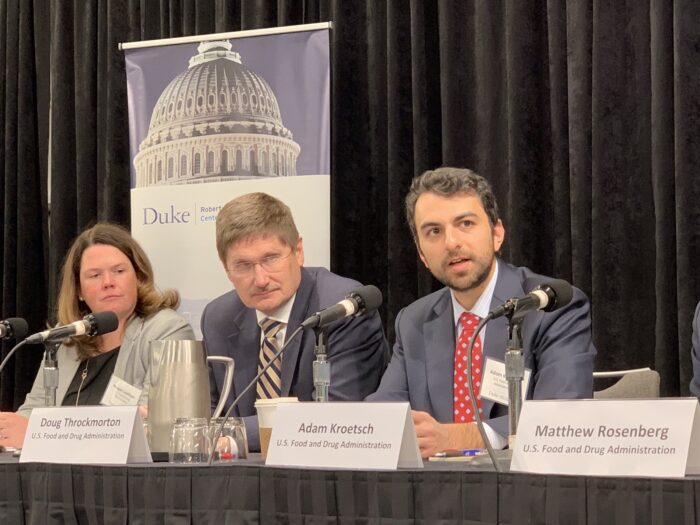
I spent most of my career at the FDA. One part of my work focused on how the agency reviews and approves drugs. How do reviewers make decisions? How can we make their work more efficient and clear? What kind of tools and technology help them evaluate evidence? The other part centered on how FDA decisions get informed by the broader health care system. How do we detect safety issues? How does that information reach clinicians? How do we create a feedback loop so that new knowledge improves care instead of sitting unused?
These questions drive me. If we can strengthen the “plumbing” of the system, we can speed the arrival of safe and effective treatments.

My path
Discovering the heroes behind the scenes
My father is a physician, and I grew up reading policy magazines around the house. I was drawn to the hidden systems that determined how the world worked, and I got frustrated when those systems failed. I was also fascinated by the people who tried to fix them. They felt, to me, like doctors for society, applying careful analysis to diagnose and repair broken institutions.
I pursued public policy at Cornell, then continued that training in graduate school. Health policy felt daunting at first. It is complex, filled with ethical trade-offs and institutional constraints. You can’t solve problems in this space by running the numbers alone. But the challenge became enjoyable. When the FDA began hiring policy analysts—something it had never done before—I applied. I was 24 and suddenly in rooms where people debated major drug issues. It was a remarkable education.
Since then, my work has focused on the same core aim: improving the systems that support medical progress. I want the next generation to inherit a health-care landscape where good ideas can move more freely, where patients have better options, and where policy helps innovation flourish rather than holding it back.