The Roots of Progress Fellowship
Our Blog
Building Fellows
The Blog-Building Intensive Fellowship is an opportunity for writers to sharpen their ideas by discussing them with each other, learn new writing skills and processes, grow by receiving feedback from professional editors and peers alike, and increase their impact by growing their audiences.
Selected via a multi-step open application process from several hundred applicants each year, here are our up-and-coming intellectual entrepreneurs for progress.
Creating the talent to power a flourishing progress movement
When we launched the first iteration of our Blog-Building Intensive Fellowship in 2023, a crucial open question was “is there enough high-caliber progress talent out there worth accelerating?” The answer, with our first cohort, was a resounding “yes!” Our second and third cohorts have shown that that that first year was no fluke. This year we again received several hundred applications of such high quality that it was challenging to select down to our target of 25 participants, which is how we ended up with a larger cohort of 31 fellows!
We’re thrilled to have such a great community come together. The tide of history isn’t always carried by the side with the best ideas. It is carried by the side with the intellectuals who are best at presenting and arguing for its ideas.
Introducing our 2026 Blog-Building Intensive Fellowship Cohort.
This year’s fellows are a group of 43 progress writers selected from a pool of over 400 impressive applicants.
Our 2026 fellows include data scientists, bench scientists, a plant scientist, a chip builder, a former diplomat, a veteran video game designer, teachers, a government employee, philanthropists and grantmakers, economists, a wildlife biologist, two military veterans, an electrical engineer, policy analysts, professors, neuroscientists, a climate startup founder, and a photographer. They hail from Europe, China, Africa, India, and the United States, and speak as many languages. They’ll be writing about educating the next generation of builders, aging, dreaming, immigrating, manufacturing, housing, Georgism, global development, AI in China and AI in America, wild spaces, outer space, public health, battling entropy, the importance of parties (the kind one throws), and so much more.
2026
Our 2026 fellows
Show moreSalma Abdalla
Saint Louis, MO
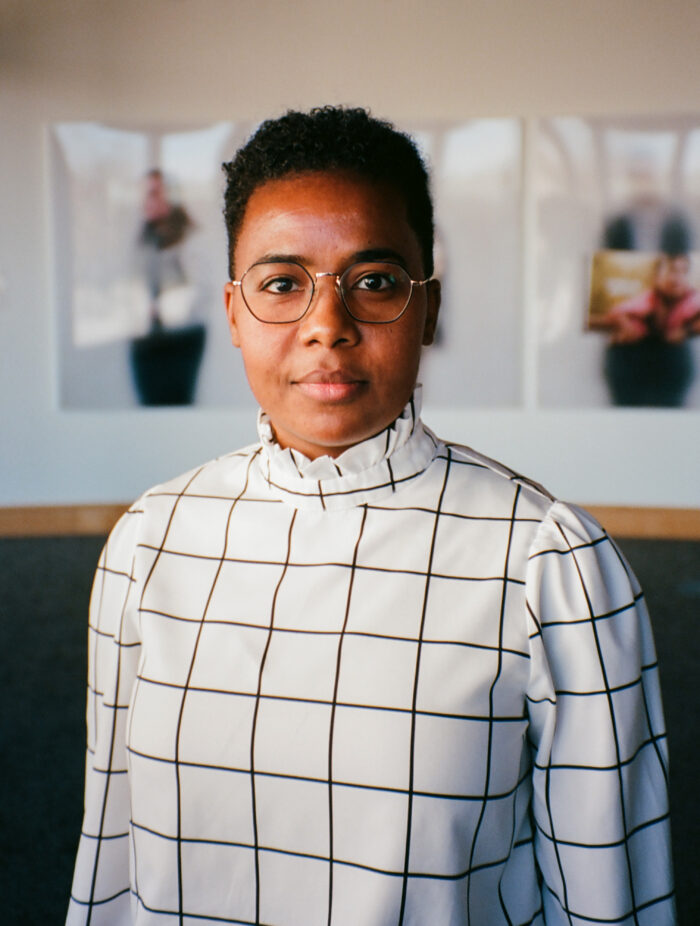
I trained as a physician before moving into population health research. That shift is what led me to my current work as a professor at Washington University in St. Louis, where I study how social and economic policies shape health outcomes. The deeper I got into the research, the more I noticed that the fields trying to answer these questions often struggle with their own knowledge production and translation into policy. I want public health and medicine to engage with a wider range of ideas and get better at communicating tradeoffs and uncertainty to the public. Through this program, I want to explore how we can build better systems for generating and using public health knowledge.
Ryan Alimento
Washington, DC
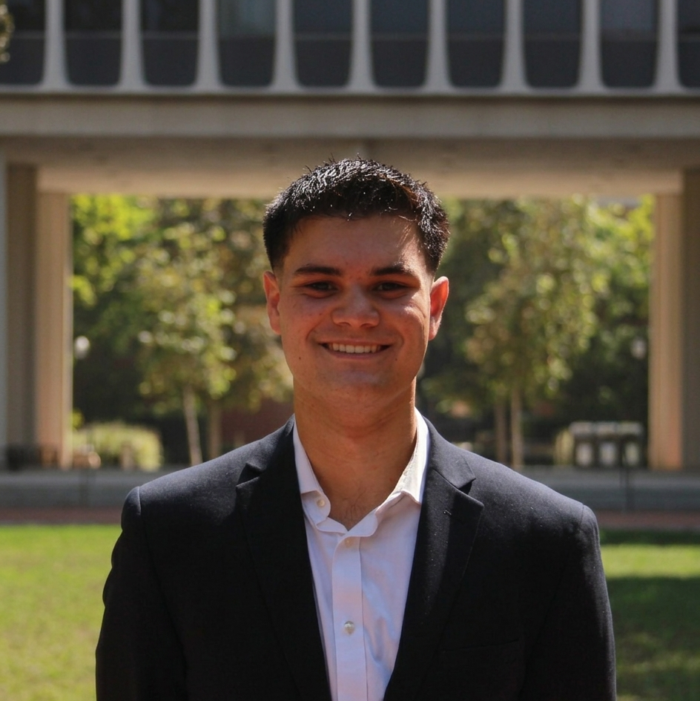
I graduated in 2024 with a degree in chemical engineering and an understanding that global decarbonization will need more capable technologies than those available today. That left me with a nagging question: How does someone accelerate the rate of innovation? Realizing that policy is one possible answer, I moved from Los Angeles to Washington, DC, where I currently work as an analyst at the Breakthrough Institute, developing policies to advance energy and industrial innovation. My research and writing orbit my central belief that, by peeking inside the black box of innovation, we can make progress less serendipitous and more intentional.
Alex Araki
San Francisco, CA
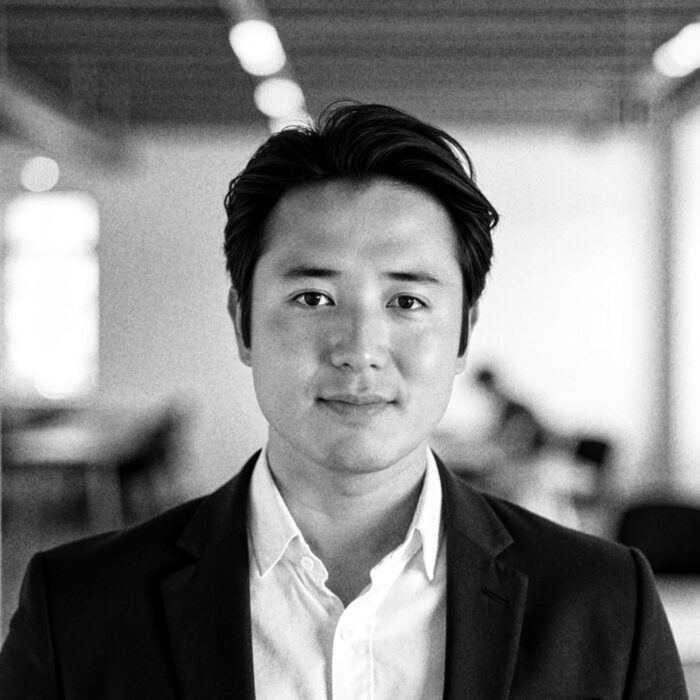
I am a Renaissance Philanthropy, Emergent Ventures, and OSV fellow who spent the past decade developing drugs to treat chronic diseases of aging. I was an early hire at Gordian Bio, a longevity startup in the Bay, before leaving to found a Focused Research Organisation (Artemis) that failed. I took those learnings and networks to then develop a new philanthropic initiative for chronic pain classification. I write about my personal experiences around philanthropic initiatives and fundraising on my Substack.
Thomas Briggs
San Francisco, CA
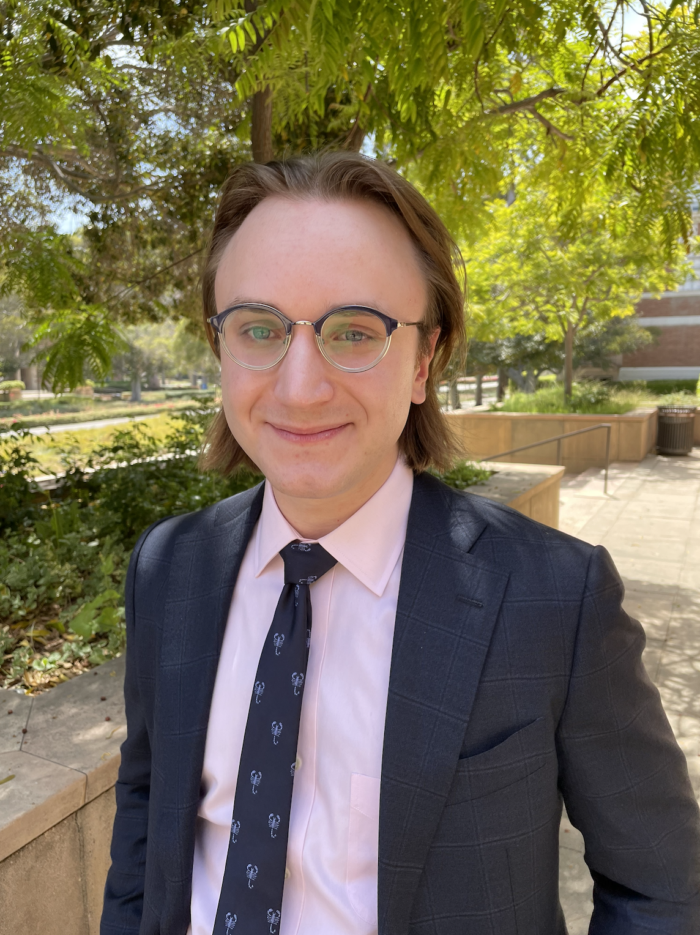
I’ve always been interested in history and political institutions, originally wanting to pursue a career in academic philosophy researching democratic theory, political philosophy, and legal theory. Law school seemed more immediately feasible, though, and so it’s been extra exciting to find a path into the think tank and policy world — working on education policy — that allows me to make the most out of my philosophical and legal roots.
Jacob Bruggeman
Baltimore, MD
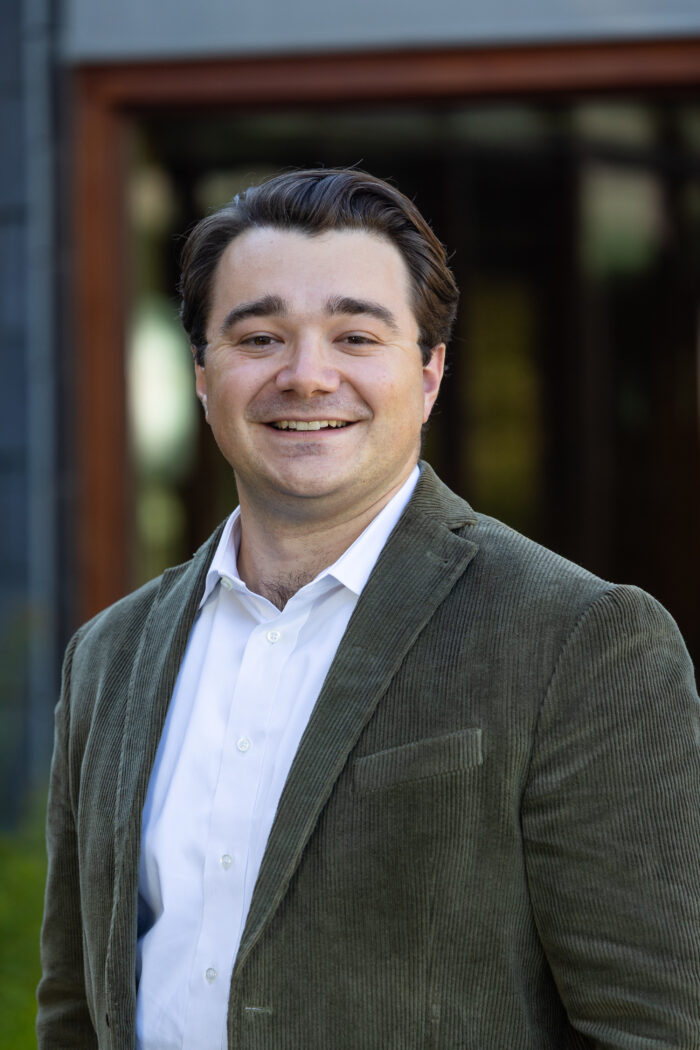
Jacob Bruggeman is an incoming assistant professor at the Salmon P. Chase Center for Civics, Culture, and Society at The Ohio State University, where his research examines the entangled histories of technology, politics, and American institutions. He completed his PhD in history at Johns Hopkins University, where his dissertation, Computer Hackers and the Remaking of Modern American Political Order, offers the first historical account of hacking in the United States. He serves as co-principal investigator on an NSF-funded project on the history of professional ethics codes in computer science. His academic work was most recently published in Modern American History and by the MIT Schwartzman College of Computing.
Nikhil Davar
Pleasanton, CA
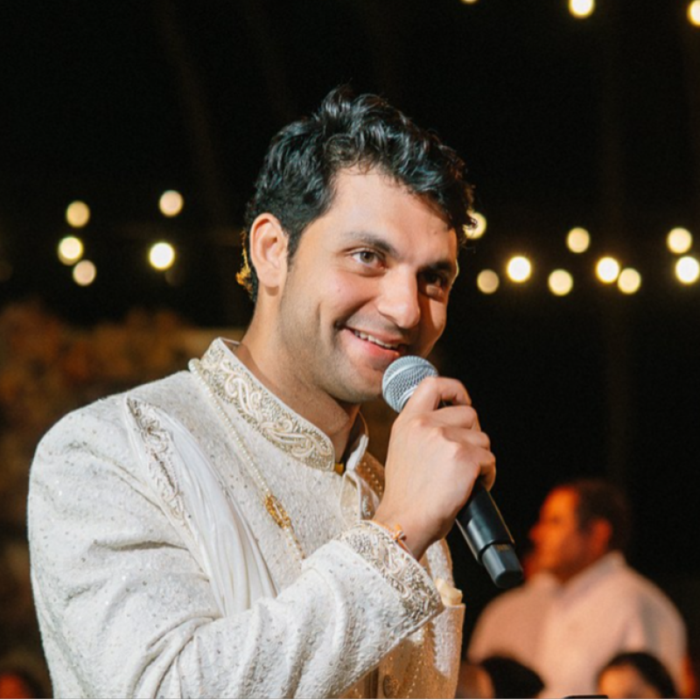
I help run Diff Jobs, The Diff’s recruiting arm, placing our readers at 50+ AI-native application layer startups, neolabs, and financial firms that buy businesses and rebuild them around AI. I started in mid-2024, weeks before o1 shipped, so I’ve seen how AI progress has repriced different flavors of labor in real time. Two questions have fallen out: 1) what is the current human-machine exchange rate in a given domain, and how is it changing? And 2) how can we use machine intelligence to better select for/develop/reach the human intelligence a domain actually requires? Answering these questions requires a deep obsession with understanding what makes people special. Beyond talking to 10+ talented people (e.g, engineers, founders, investors, academics) every week, I spend hours consuming personal websites, blogs, LinkedIn/X profiles, resumes, Github projects etc. to understand people’s unique intellectual synesthesia and what makes them tick.
Jack Despain Zhou
Seattle, WA
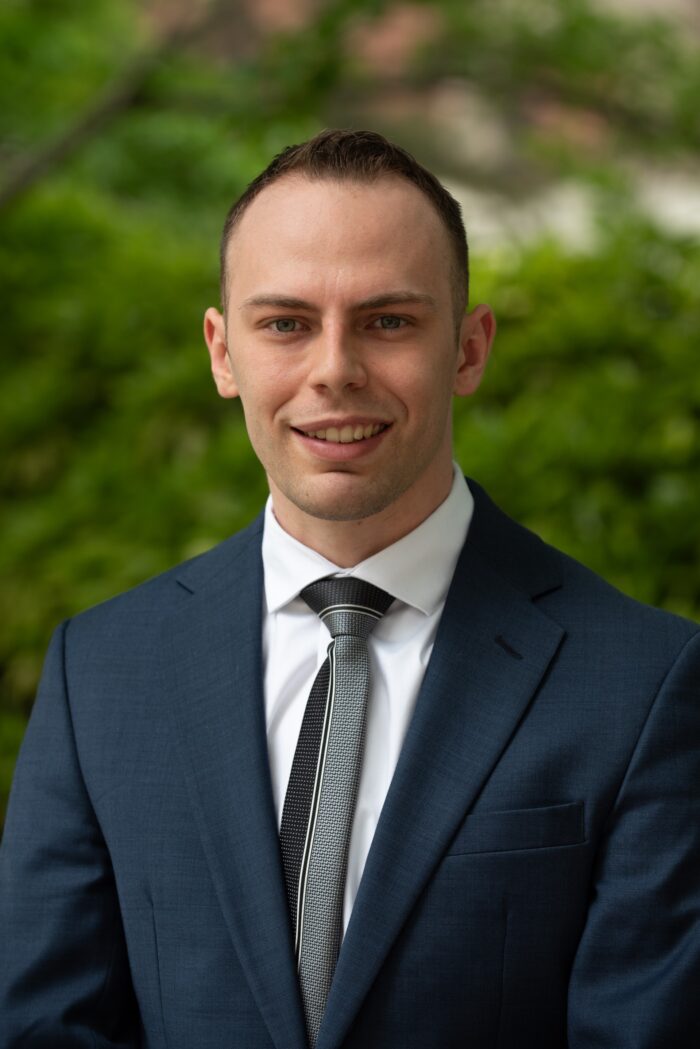
I am a cultural commentator, law school graduate, and education policy advocate and cofounder of the Education Progress organization. Previously, I wrote about topics from the FAA’s hiring scandal to institutional capture at Wikipedia. I aim to be a chronicler of the institutional crisis, focusing particularly on education out of a conviction that the field has built on shaky-to-impossible foundations for generations and urgently needs to focus on raising the ceiling and teaching people to their level. We all benefit from institutions that make it easy to develop expertise and virtue.
Lars Doucet
Bryan, TX
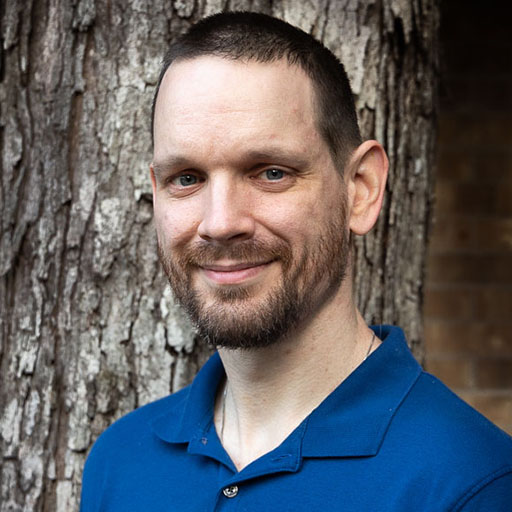
I’m a former video game developer (15 years), and now I work in the field of housing economics, property tax policy, and empowering the civil service through open source software and transparent data reporting. The bottom line is that land is a big deal, housing could be much cheaper, and putting stuff on a map is often the most effective way to make an argument.
Marius Drozdzewski
Berlin, Germany
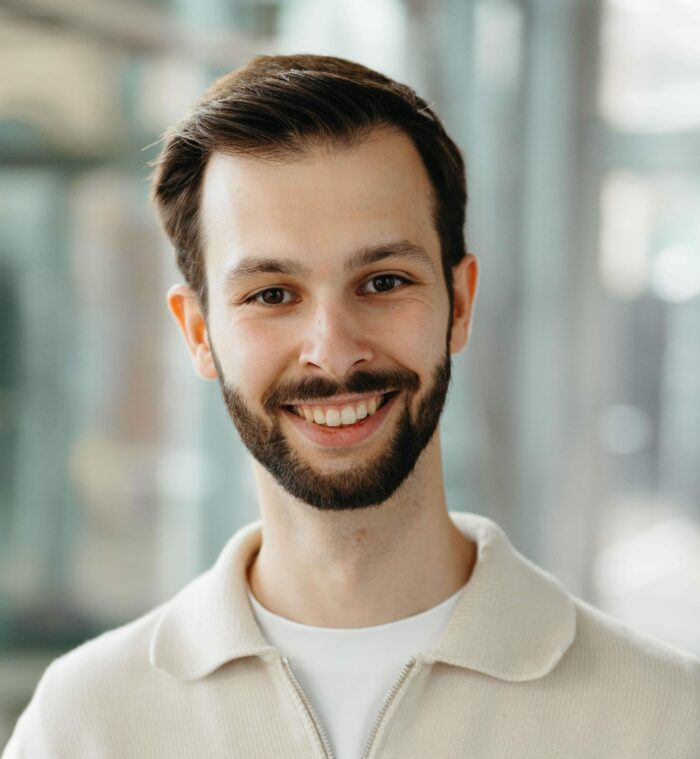
I’m fascinated by where culture and politics meet. I founded and edit ævum, a German-language magazine about political ideas, and work at Prometheus, a Berlin-based think tank. Before that, I studied philosophy and mathematics and worked in politics for a while. On Substack, I will write about European culture and progress: I want to understand why Europe distrusts progress and where its technopessimism comes from. So I go looking for the origins: the Romantics, German and French philosophy, the 1970s Greens, and today’s New Right. At the core are ideas about meaning, nature, markets, and artificiality, which I want to explore with progress in mind.
Ajwal Dsouza
Mississauga, Ontario
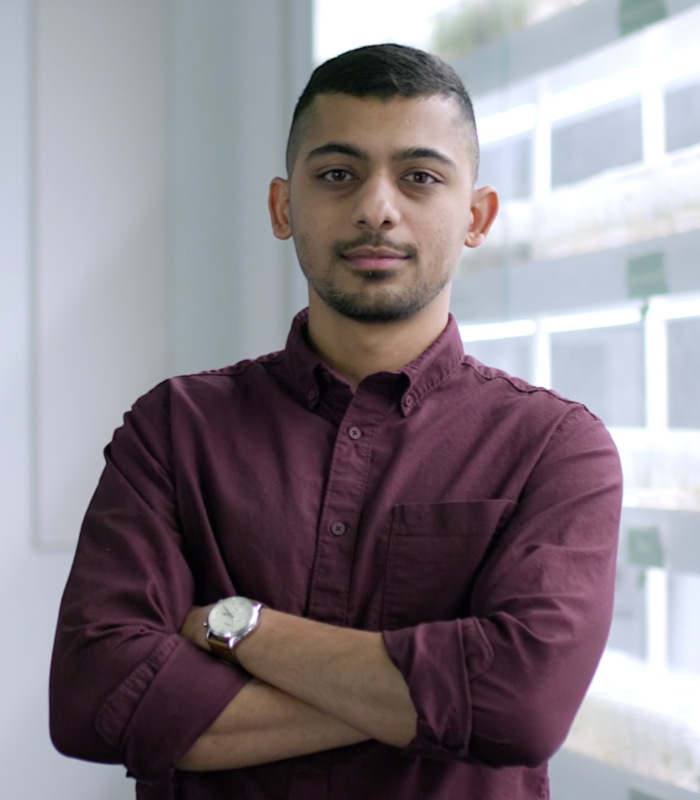
I’m finishing a PhD in Environmental Sciences at the University of Guelph. I study plant production in controlled environments (greenhouses and vertical farms) for food and medicine. I am also interested in space agriculture and was a member of the finalist team in the Canadian Space Agency’s Deep Space Food Challenge, where we designed and built a crop production system for the Moon and Mars. I will be exploring frontier crop production in controlled environments for cities and space. These technologies will help us grow more and better food with fewer inputs and impacts, be it Manhattan or Mars.
Luke Eure
San Francisco, CA
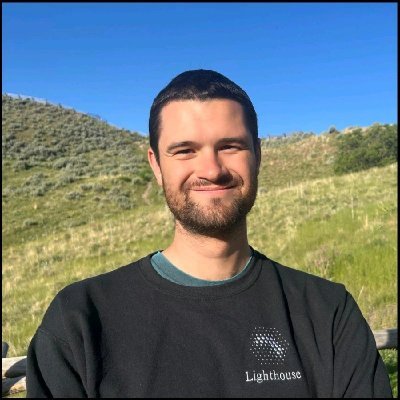
I’m Head of Sales at Lighthouse, where we help frontier talent navigate US immigration. I spend all day talking to technologists who want to build the future in the US. When they do, their contributions enrich the rest of us.
Smart immigration would attract people with the skills the US needs, while earning the trust of the American people. Current policies do neither.
To rebuild our immigration system, we need a new national consensus on the role immigration should play in the US.
I write to play my part in forging this consensus, providing historical context on talent movement from the perspective of someone in daily conversation with the people and companies navigating global mobility.
Nick Frassinelli
Greenville, SC
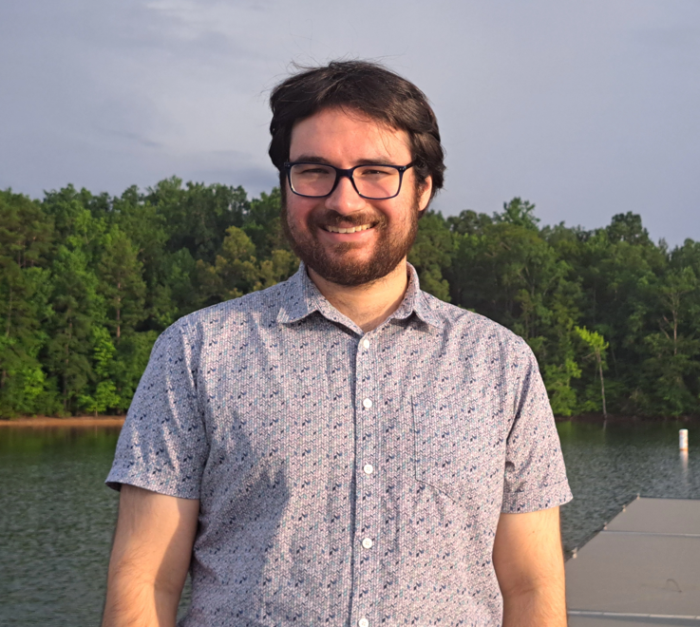
I am an electrical engineer, a power systems graduate student, and an all-around energy nerd. I use my blog to explore the technical, political, and economic constraints that shape the energy landscape. In this program, I will be exploring the energy trilemma: how can we cost-effectively and reliably power a growing civilization without destroying the planet in the process?
Aaron Fried
San Diego, CA
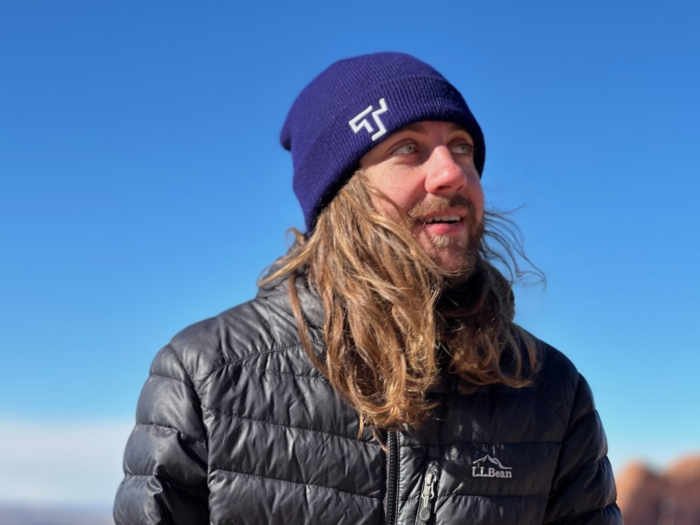
I’ve spent my career working at the intersection of technology and ideas. Our tools are improving exponentially, but our philosophy is lagging behind. I advocate from a deep love for humanity, including the recognition that building technology is among the highest expressions of our minds. I primarily explore how AI can be used to improve our creative expression and enhance our lives, and secondarily, how those building and using it must remain free to do so.
Matthew Gammans
Fargo, ND
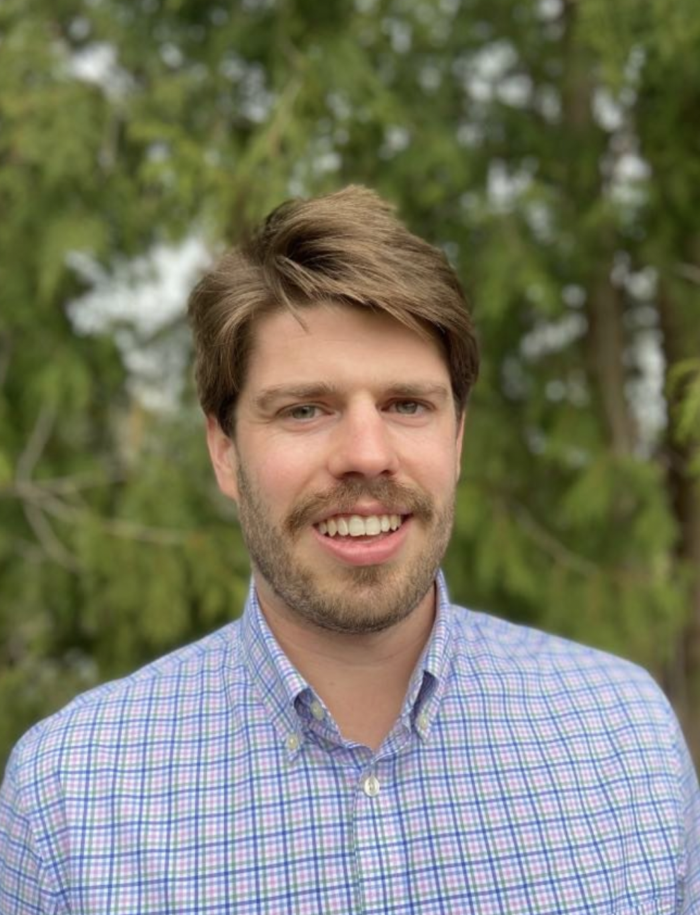
I’m an ag-engineer-turned-economist and an assistant professor of agricultural policy at North Dakota State University, where I research how markets, policy, and climate shape the future of agricultural production and the environment. Prior to moving to North Dakota, I built carbon accounting protocols for biomass-based carbon removal at Isometric, a climate-tech startup.
I write about the big political economy dynamics and tiny policy minutiae that drive which crops get planted and what biomass gets allocated to which uses. Thinking out loud on how society can best pursue abundant and sustainable bioenergy.
Inferential Gap

Inferential Gap takes its name from the idea of inferential distance: the background concepts and context two people need to share before they can understand one another. This blog seeks to help bridge the inferential gap between the Chinese and western AI ecosystems.
I’ve spent most of my career working in China’s AI sector. I’ve also lived and worked outside China. I draw on this experience to write about AI governance and safety in China, as well as pathways for Sino–US cooperation to address shared AI risks.
My motivation comes from the linguistic and information asymmetries that limit western understanding of China, and from the potential stakes of misreading Chinese approaches to AI.
Sophie Gilbert
Moscow, ID
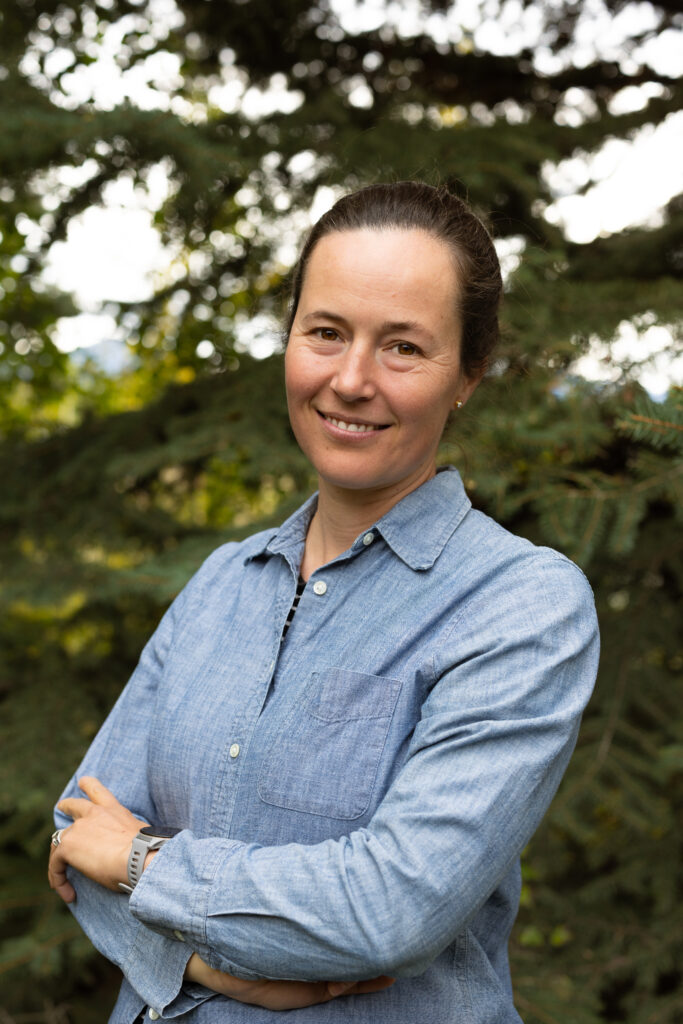
I am passionate about building more habitat for both people and wildlife, because human progress has always depended on nature, yet we have also burned through our natural capital stocks to produce that progress, jeopardizing future human thriving. How can we better balance the health of nature with human needs and wants? Searching for answers to these questions, I left a tenured professorship, worked at nature/climate startups for several years, and am now at a market-oriented environmental think tank, the Property and Environment Research Center. I will be thinking and writing about this interlocking set of topics, from the links between our economy, happiness and the environment, to permitting reforms that can actually work for both nature and people, to the best ways to deal with nature-based risks like wildfire and sea level rise.
Daniel Golliher
Brooklyn, NY
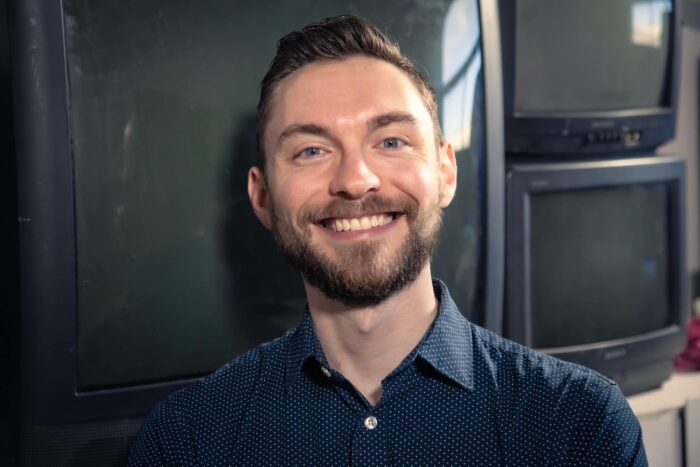
After I graduated with a government degree from Harvard College, I realized that most people who enter our systems of government are not trained for that work. This was triply true of New York City and State. So I started a civics school (Maximum New York) after years of independent study and practice, and I’ve since taught hundreds of students inside and outside of government. I see the difference that a rigorous foundation makes on a daily basis, so I’m going to write about past and present success stories in going further, faster in politics. This writing will include how to be a better partisan and party member, and what a “good partisan” looks like. New York and America need better partisans.
Trey Gordner
Honolulu, HI
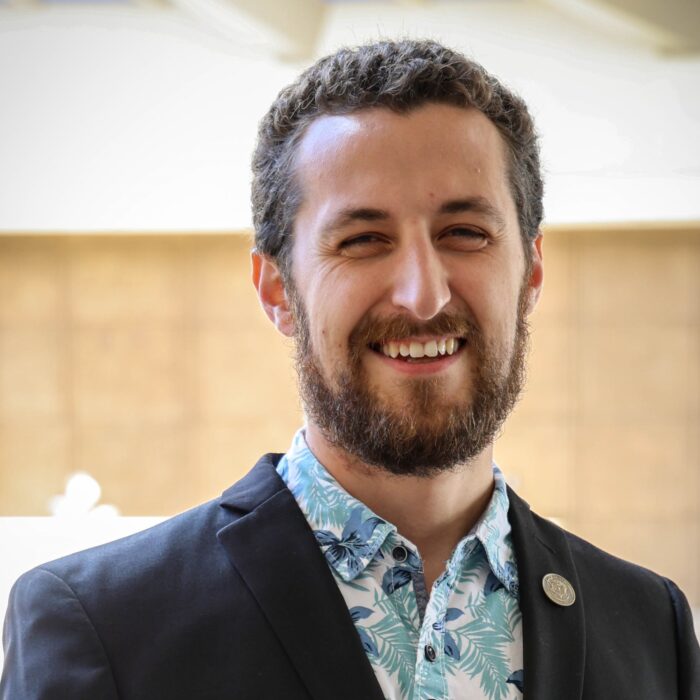
Policy researcher. Local elected. State appointee. Federal civil servant. Urban planner. Civic tech entrepreneur. I’ve pursued a career looking at American government from almost every angle, and the result is a fascination with the history and variety of ways to run cities. My blog will explore this diversity and chart a path to better policy outcomes through better design of public institutions.
Farrell Gregory
Washington, DC
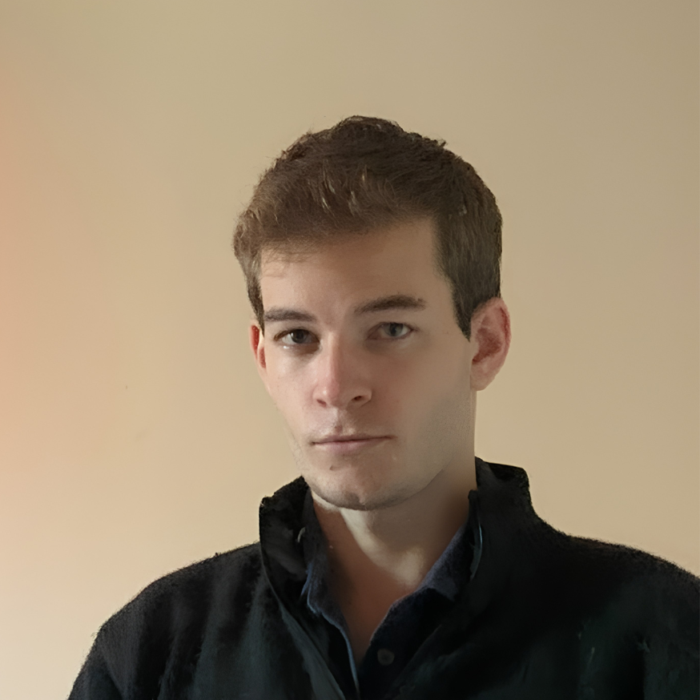
I research how America and China distinctly build and govern technological power. I studied Chinese in university and did intensive language training in Beijing, surrounded by China’s increasingly sophisticated parallel modernity. Then, I studied at Oxford, seeing firsthand the consequences of deindustrialization and stagnation. Through all this, my research started with industrial strategy and base materials and moved toward China-focused AI governance. Chinese and American strategies for industrialized intelligence will be the primary determinants of future progress. I recently graduated and currently work as a Research Fellow at the Foundation for American Innovation in Washington, DC.
Gil Guerra
Cambridge, MA
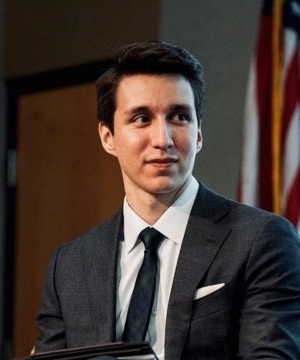
I’m a think tank researcher covering immigration and Western Hemisphere policy, as well as a contributing writer at The Dispatch and a 2026-2027 Novak Journalism Fellow with The Fund for American Studies. I also write Points of Entry, a newsletter on migration data.
For the fellowship I’ll focus on the relationship between immigration and industrial policy, as well as the impact of technology on assimilation.
Oren Hadar
Los Angeles, CA
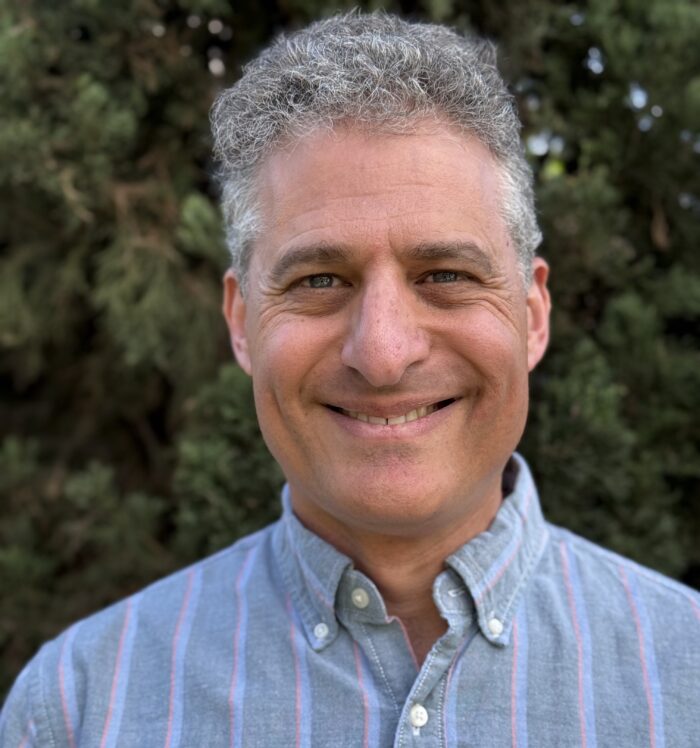
For over ten years, I have been working on bringing better housing and transportation options to the place where I live. I started with my neighborhood, then my city, and finally my state. My writing is informed by this advocacy – I aim to change policies to make Los Angeles a more welcoming and just city.
Pamela Hobart
Austin, TX
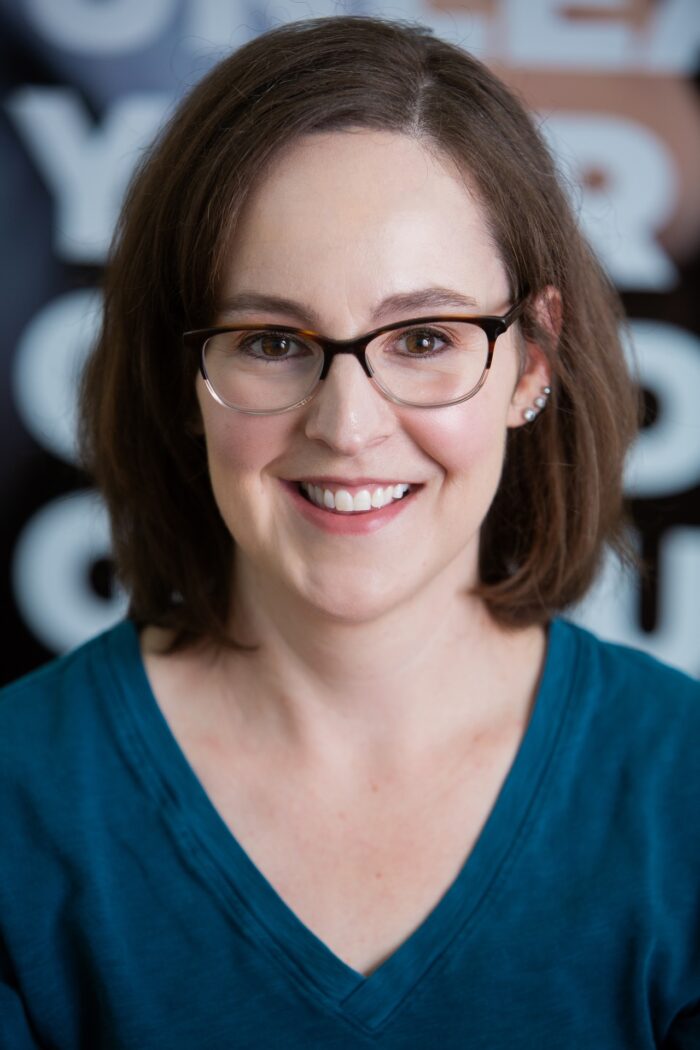
In my past academic life, I studied the philosophy of education and ed policy at Teachers College, Columbia University. Now, I’m a mother of 4 and a gifted education advocate in residence at GT School, which offers unlimited academic acceleration and fluff-free life skills development to high-ability K-8 learners.
I write Above Grade Level, focusing on simple academic acceleration: some 1/3rd of kids in a typical age-based classroom are already working beyond grade level! Letting this relatively large cohort of advanced students move at the pace of their actual readiness is the cheapest, most available talent development lever that we refuse to use.
Ben Hyman
London, UK
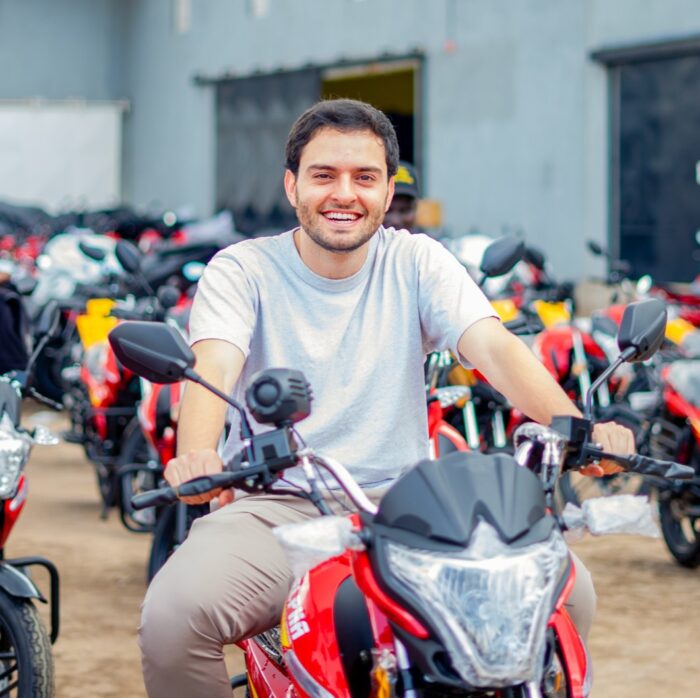
I’m Operating Partner at the Africa Jobs Fund, a philanthropic investor/venture-builder focused on building high-impact companies in export manufacturing and international labour mobility to create higher-productivity jobs for low-income workers in Africa.
I write about economic growth, export manufacturing, labour mobility, AI in the developing world, business building, investing, and much more!
I previously started a leading recruitment agency for startups in Africa and led product/growth at an African logistics-tech startup.
Olya Irzak
San Francisco, CA
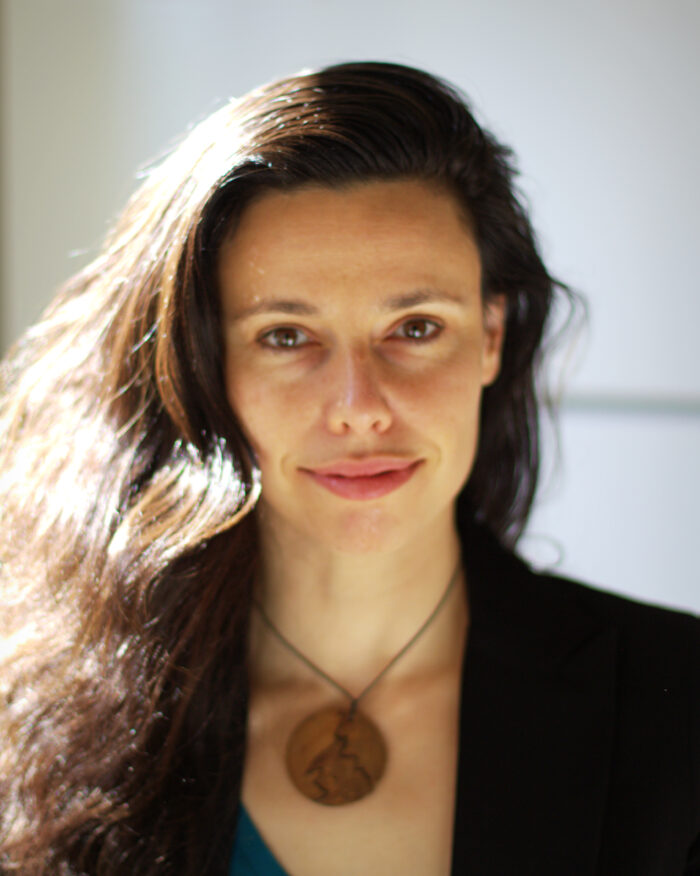
Energy abundance and climate underpins a lot of civilizational capabilities and the quality of life and yet they currently appear to be in conflict. This fascinated me for over a decade and got me deep into market incentives, societal structure and the policies that shape both. I’ve been exploring where science and engineering progress comes from in the field, how they get funded and the successes and pitfalls of different funding mechanisms and their specific organizations. I’ve worked at big tech companies, a research lab, started a startup and sit on the boards of for and non profits.
Ryder Kimball
Brooklyn, NY

I’m a climate tech writer and landscape photographer. I’ve worked on the comms team for Planet, a satellite data provider, and Pacific Fusion, a nuclear fusion startup. I currently work as an in-house writer for Lowercarbon Capital, a VC fund investing in hardtech companies. My work and artistic practice attempt to answer one question: can we achieve progress without destroying Earth in the process?
Cooper Kramer
Katonah, NY
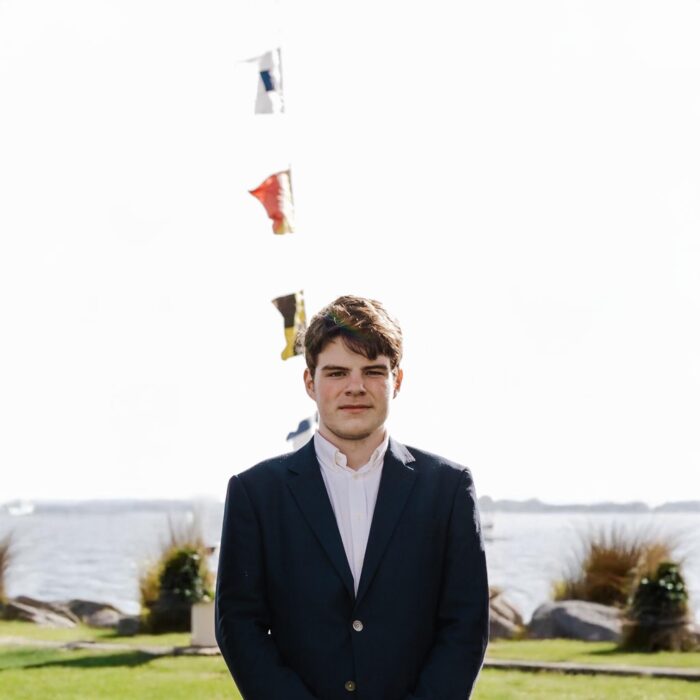
I’m an Equipment Engineer at Tokyo Electron, where I work on semiconductor manufacturing equipment at the Albany NanoTech Complex. Working inside one of the world’s leading semiconductor ecosystems sparked my interest in the industrial systems that drive technological progress. My writing focuses on semiconductors, advanced manufacturing, AI infrastructure, and the often-overlooked companies that make innovation possible. I enjoy explaining complex technical topics in an accessible way while highlighting the people, technologies, and supply chains that underpin long-term economic growth.
Morgan Livingston
San Francisco, CA
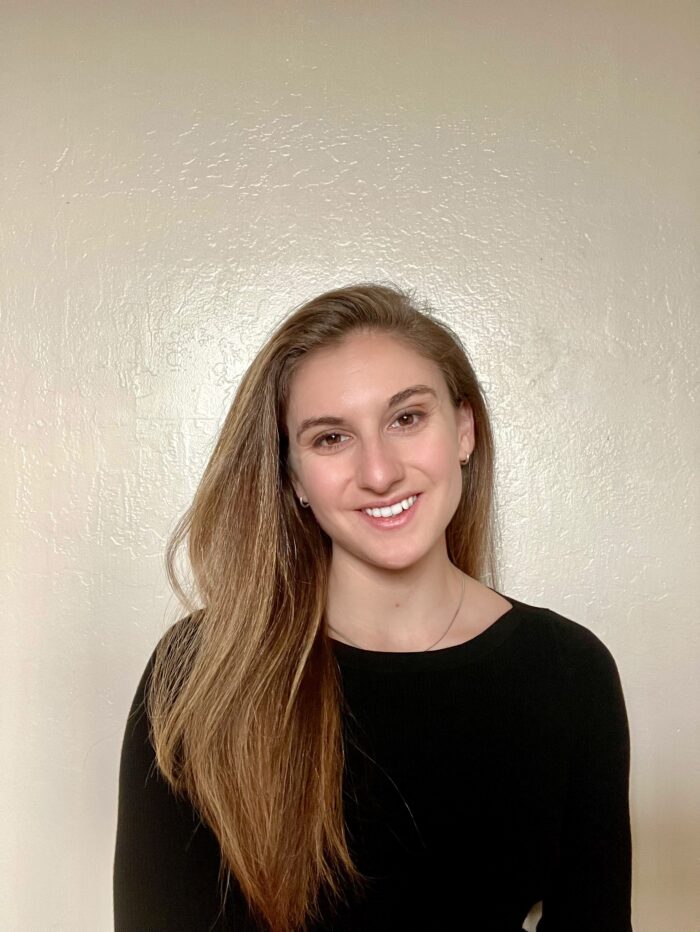
I previously worked on AI and science policy in the Senate and for the White House and Federal Agencies. I followed my curiosity about how we advance & govern risky technologies to China and then to the finance team of a quantum computing company. I’m now exploring the question: if AI is accelerating R&D, how do we adapt science and technology governance to keep pace? That may mean innovating on private governance, building federal capacity, and testing governance regimes at the state level.
Patrick Mineault
New York, NY
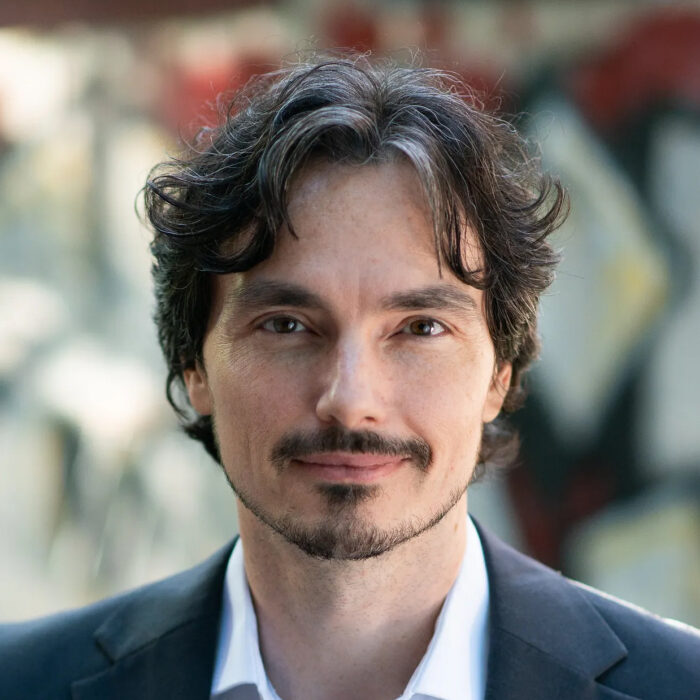
I work on NeuroAI, bringing neuroscience insights to AI and using AI to accelerate neuroscience. When I was doing a bachelor’s in math and physics, I picked up a little book called Eye, Brain and Vision from David Hubel; it set me on a windy path to figure out how the brain makes sense of the world. I completed a PhD in neuroscience at McGill, worked in industry on data science, brain-computer interfaces, and foundation models for neuroscience, and am now funding frontier research at the Amaranth Foundation.
Deena Mousa
New York, NY
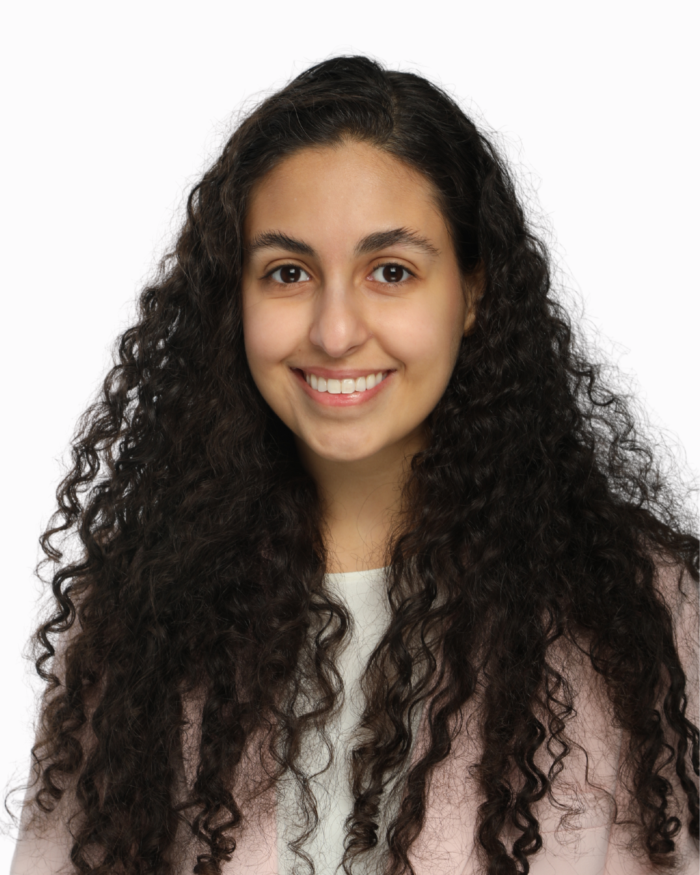
I lead Coefficient Giving’s grantmaking at the intersection of AI, global health, and economic growth. I also write about these topics as a freelance journalist in outlets like The Economist, Scientific American, and National Geographic, and on my Substack, Under Development.
I plan to work through the potential global impacts of AI on everything from export-led growth pathways to medical diagnosis and how we should respond.
Before CG, I was a consultant at McKinsey, where I advised public health agencies on COVID-19 crisis response, as well as pharmaceutical and biotech firms. I graduated from Yale with a BA in Ethics, Politics, and Economics.
Abi Olvera
Washington, DC
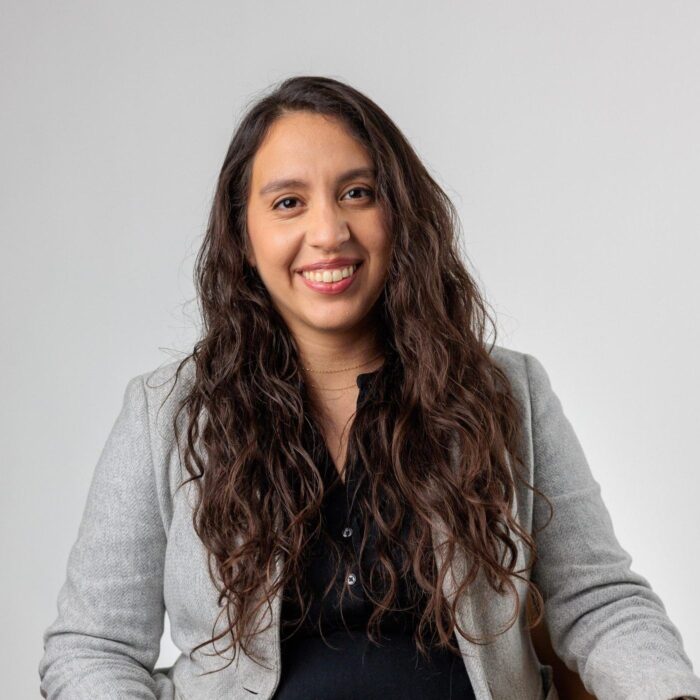
I waited tables for six years at $2.13 an hour, then spent a decade as a U.S. diplomat. Now I research AI risk and run DC Abundance, a 500-person policy network.
Almost everyone in these fights wants the greater good. But most fights are trade-offs, and trade-offs go to whoever is organized. That is rarely the people with the least money. In many states, existing health clinics can veto new ones. Rules like this are why housing, independent clinics, and daycare are scarce.
I write about these frictions. They are easy to overlook, which is why forecasts about new technology run too rosy and too dire. They are also what we can fix.
Alex Plesa
Boston, MA
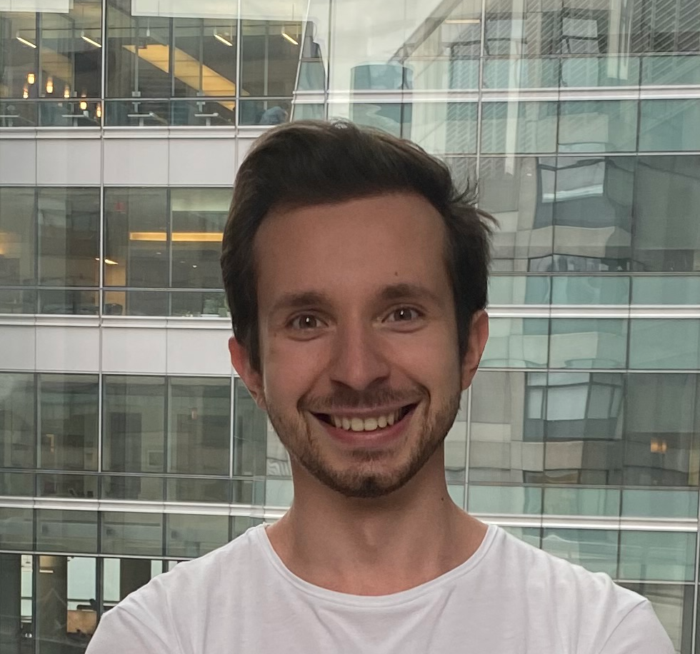
I’m a scientist at the Wyss Institute, working on solving aging. I did my PhD at Harvard, where I discovered new ways to reverse the age of cells and extend lifespan in mice. I got into the field after realizing aging is one of the largest biological limits we have, and one that we take for granted. Having studied it for the past 9 years, I can convey both the excitement of the progress we’re making and the realistic view that we need far more resources aimed at what is arguably the biggest unsolved problem in biology.
I want to explore two things: the cutting edge of longevity research, and the philosophical implications of a life where aging is optional. They matter because the first offers a grounded, trustworthy path to biological agency, while the second paints the better future that makes the effort worth it.
Adam Rochussen
San Diego, CA
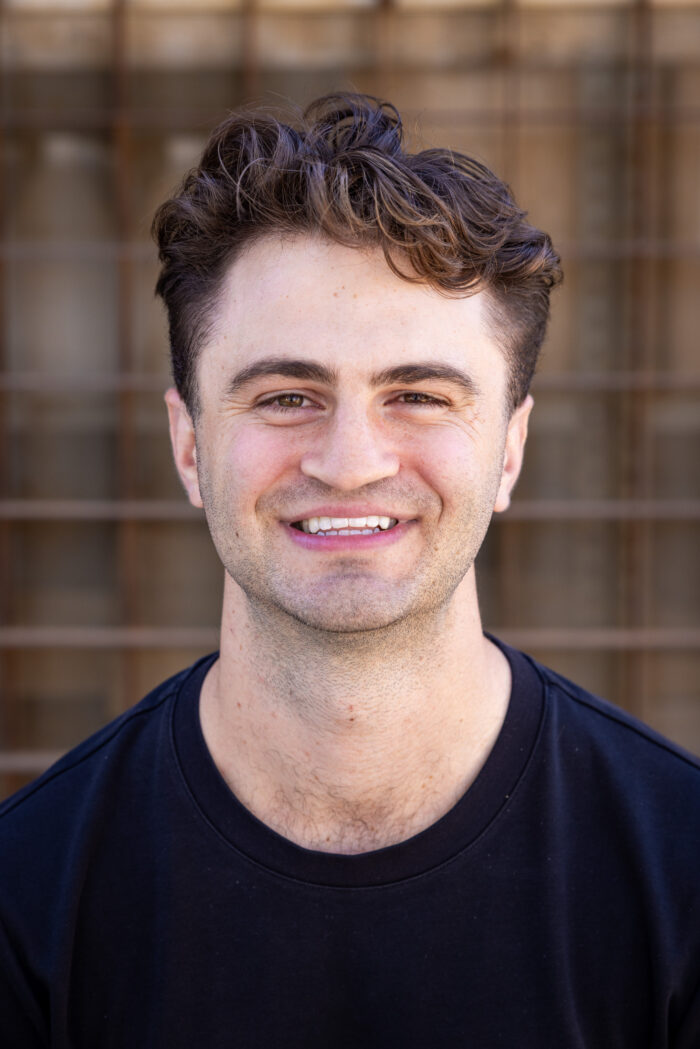
I’m a postdoc at the Salk Institute studying T cells, circadian rhythms, and cancer immunotherapy. I did my undergrad, master’s, and PhD at the University of Cambridge. After ten years in the UK, I was desperate to move somewhere where ambition was more culturally celebrated. I’ve now been in San Diego since January 2025. I love the idea of academic research, and I love many facets of it in reality too, but my firsthand experience has also left me somewhat jaded. I have written previously about the perverse incentives that drive someone to do a PhD, the problems with traditional academic publishing, how the hiring process for wet-lab scientists is not fit for purpose, how bias seeps into academic research at every layer, and more. During the BBI, I wish to explore meta-scientific topics more deeply, focusing on the future of human talent. For example, how will incoming advances in robotics alter the structures and incentives within academic labs?
Sam Roland
Rosslyn, VA
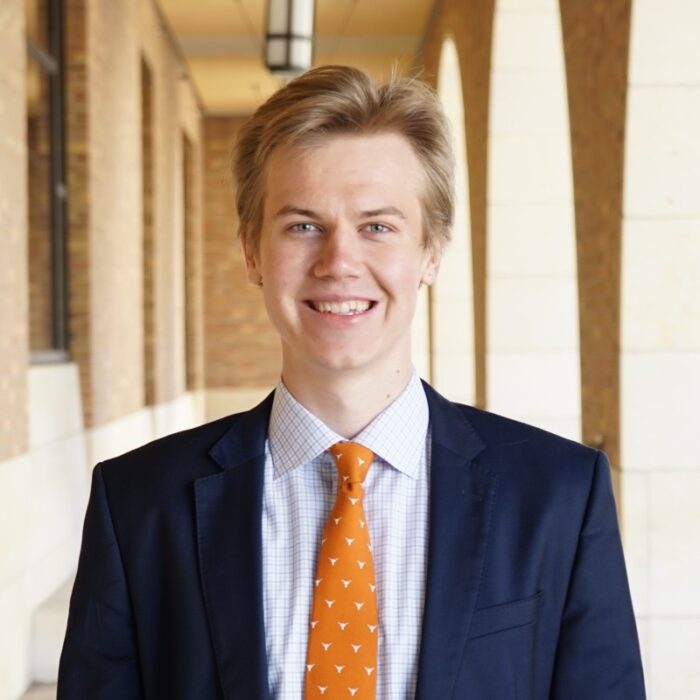
As a law student, I started working on permitting policy and writing amicus briefs at the Foundation for American Innovation; the work of which led me to become fascinated by the impact of AI on the practice of law, particularly how AI can be incorporated to reduce transaction costs in contracting to improve growth. On the side, I also help out with the Federalist Society’s AI and Law Initiative.
Samuel Scheuer
London, GB
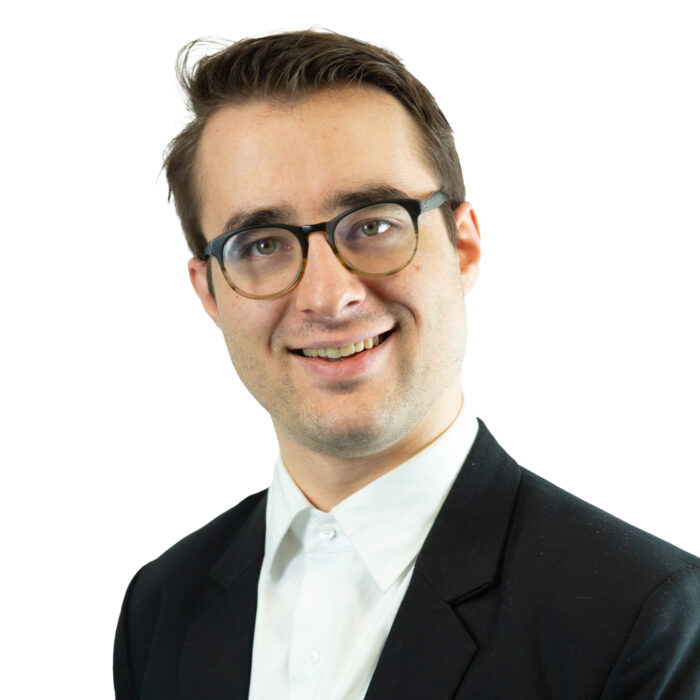
My interest in climate change led me to study and get involved in power markets. Now, I’m a power market forecaster trying to understand energy systems and help finance renewables.
Rohit Shinde
Redmond, WA
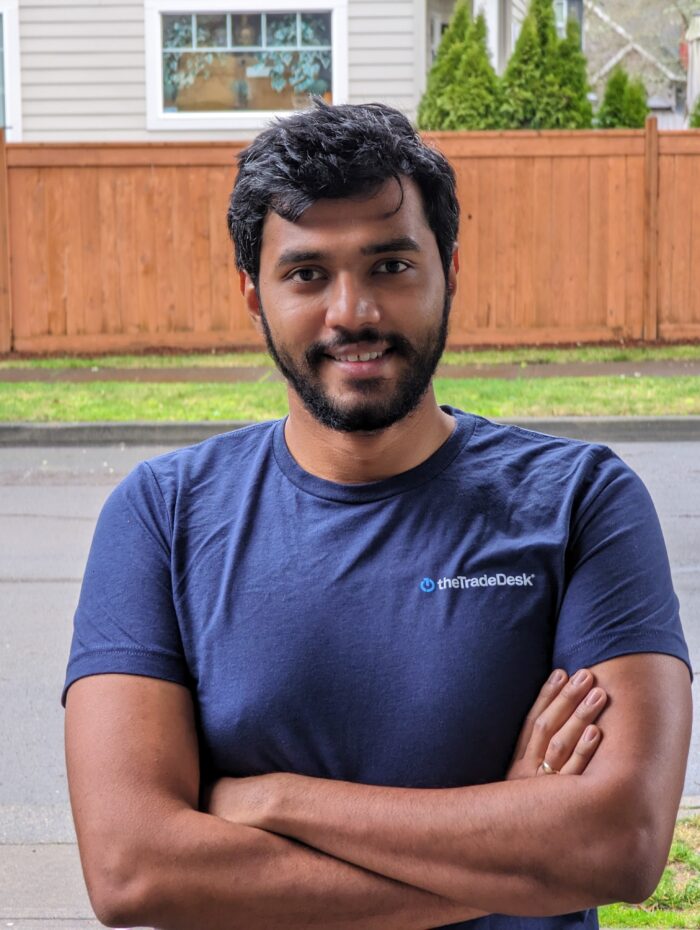
Economic growth is important for leading better lives. India is only at lower-middle-income status. These two facts got me interested in the mechanics of how progress happens. I want to explore how effective regulation design helps countries break out of the mold and join the ranks of rich countries.
Lauren Teixeira
San Francisco, CA
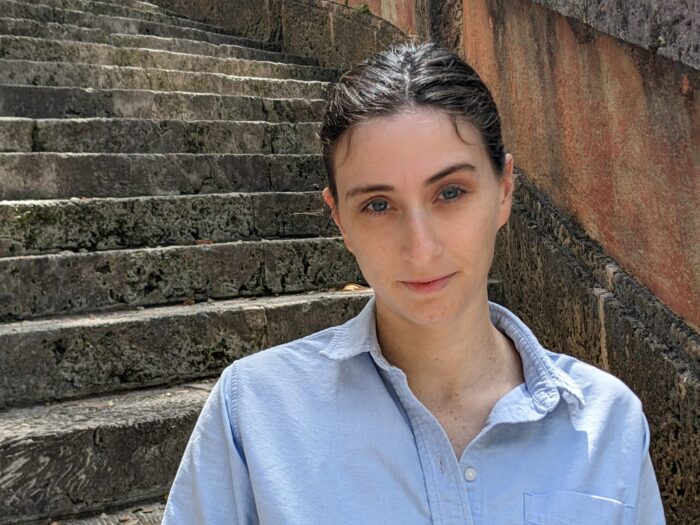
I’m an analyst at the Breakthrough Institute, an energy-focused think tank with offices in Berkeley and DC. In a previous life, I lived in China and traveled all over the country working as a freelance journalist. What unites my past and my present is a desire to investigate hidden structures and tell compelling stories about why our world is the way it is.
Alexander Thompson
Scotland, UK
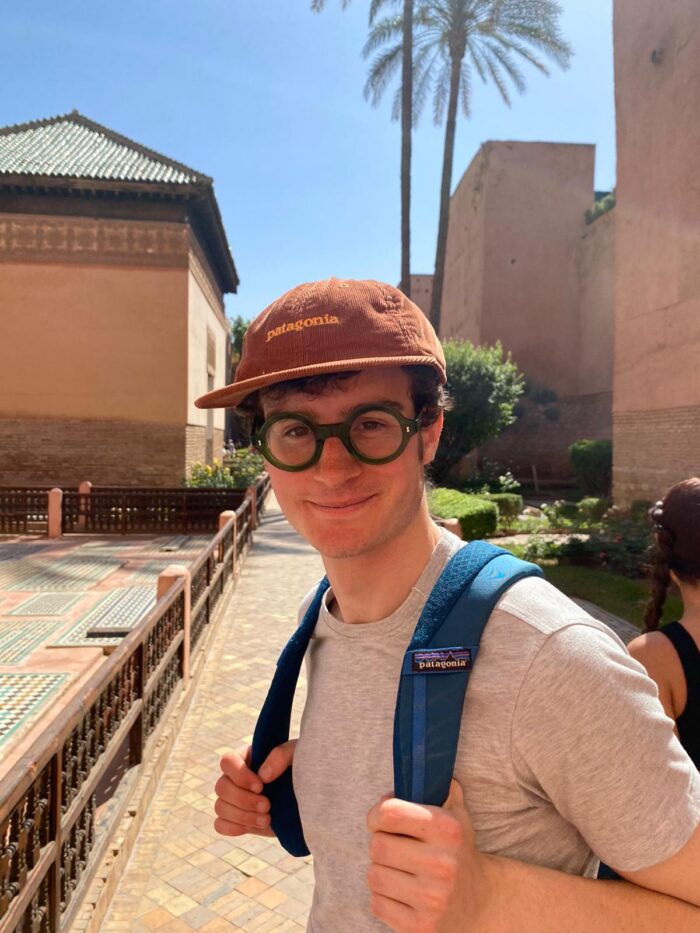
I completed a PhD in the history of law during the Industrial Revolution in 2025; I then trained as a mathematics teacher in 2026 and saw the extraordinary problems with the British education system. I now teach law and philosophy at two Scottish universities and see similar decline. This is what got me interested in improving educational standards in Britain and America.
Latham Turner
Bozeman, MT
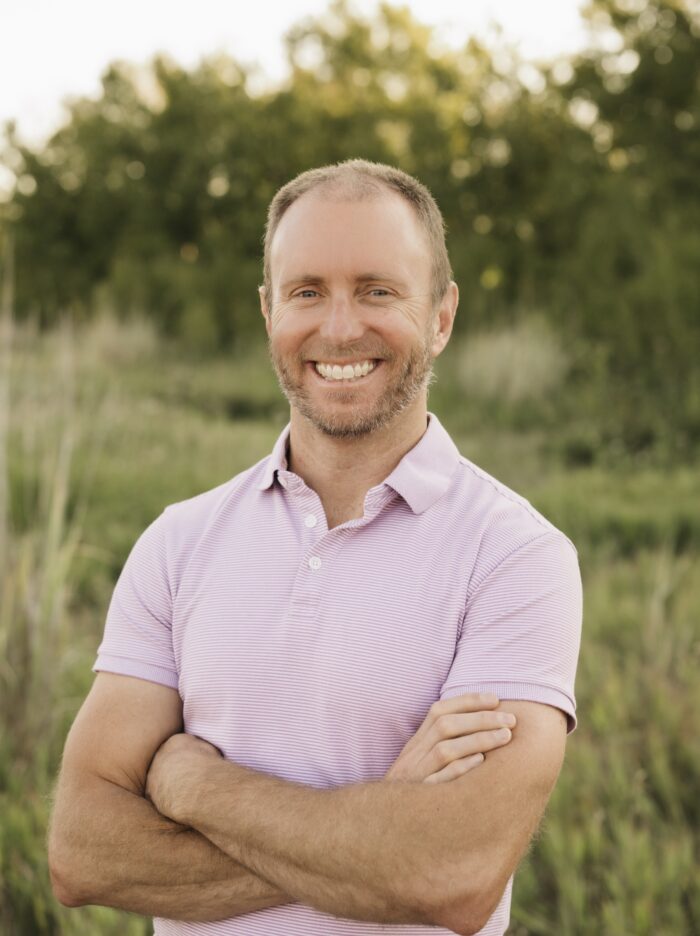
I’m a homeschooling dad working to create an education that allows my kids to advance the frontier of their potential. In the past, I was a Naval Aviator, developmental test pilot, quantum computing engineer, startup operator, and entrepreneur, but I left all of them to start homeschooling my two kids. I bring a focus on expertise studies and my experience mastering the domains I have into writing about education as a human potential problem.
Alex Wakeman
West Yorkshire, UK
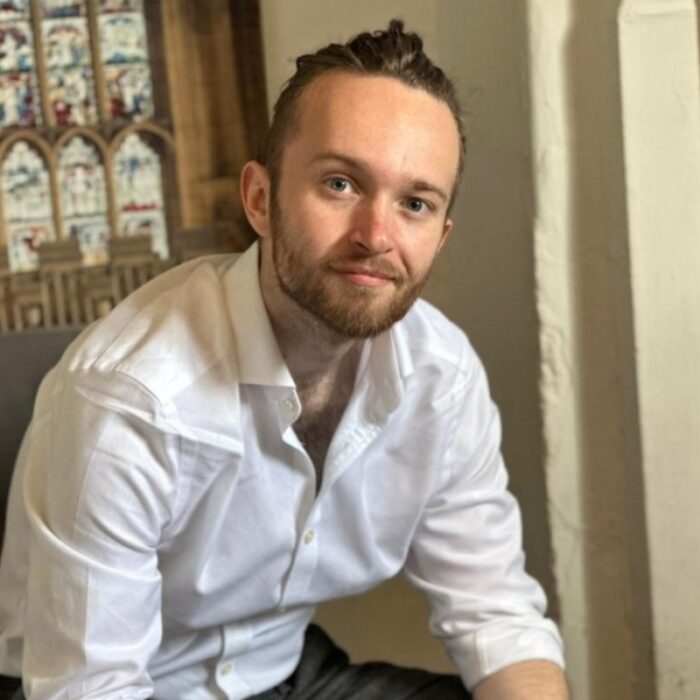
I’ve been interested in the intersection between science and society since my undergraduate days, studying genetics and learning about the complex tradeoffs of modern agriculture, GMOs, and human genomics. This led to me studing for my PhD in Evolutionary Biology, writing essays for Asimov Press and Works In Progress, and to my current job analysing the potential impacts of emerging technologies.
I enjoy writing fiction as much as essays, and am interested in better understanding how the stories we tell ourselves about the future influence tech adoption and societal change.
Michael Wiebe
Vancouver, BC
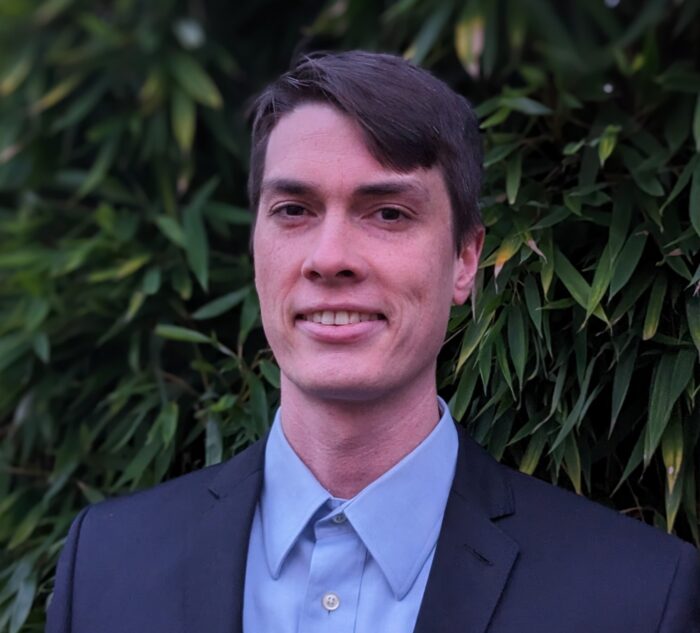
I’m a PhD economist focused on housing. I aim to clear up housing debates through rigorous economic thinking. I became interested in housing while living in Vancouver, seeing both skyrocketing housing prices and supply-and-demand denialism in the public debate.
Peggy Yin
Port Jefferson, NY
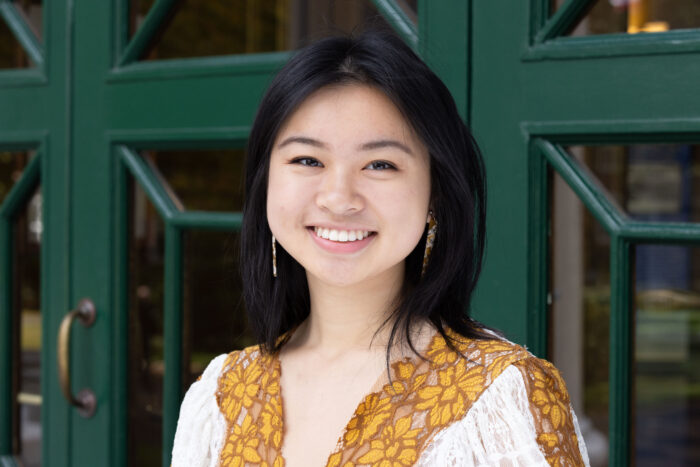
Peggy Yin is a PhD student at Stanford, director of the Cognitive Security Task Force, and a board member at LearnerStudio. She designs and studies transformative experiences, particularly in education and workforce development. She has led the development of social impact technologies at MIT Media Lab, Teach For America, and Ars Electronica, and has been featured in Fast Company’s World Changing Ideas, the Wall Street Journal, SXSW, Carnegie Hall, BBC Radio, MIT Museum, and the United Nations. She graduated Phi Beta Kappa and cum laude from Harvard University, where she studied computational neuroscience and art history.
2025
Our 2025 fellows
Show moreSteven Adler
San Francisco
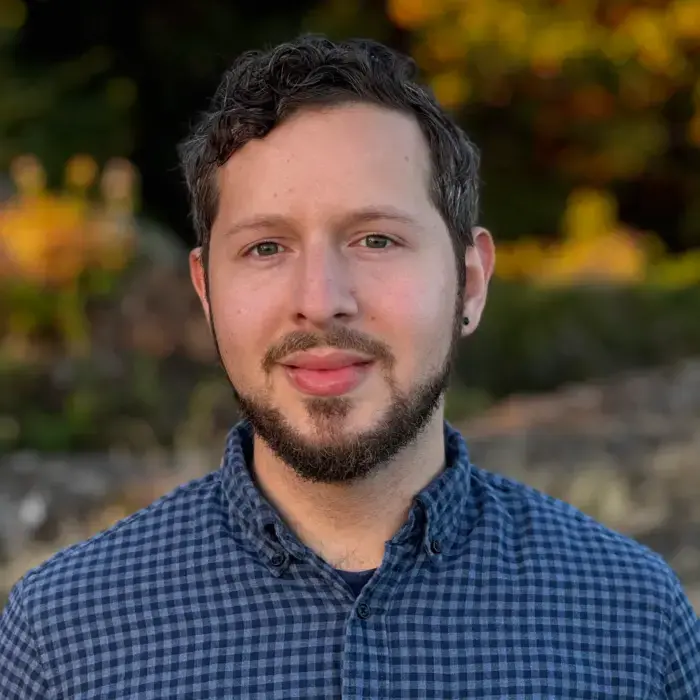
I’m an AI safety researcher who worked at OpenAI for four years, leading teams like our dangerous capability evaluations. These days I research and write about “how to make AI go better”, by which I mean avoiding potential AI catastrophes and hopefully achieving an amazing future on the other side....
Andrew Burleson
Denver
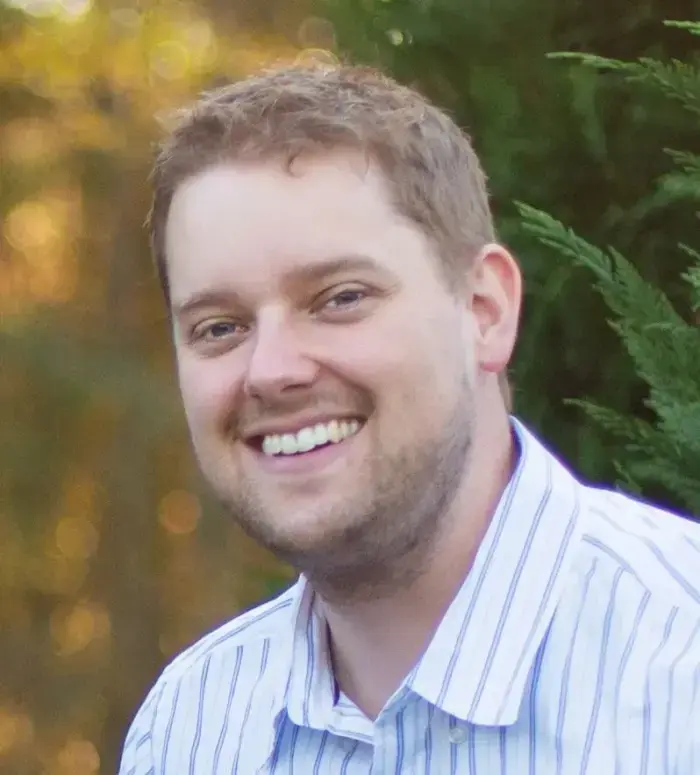
I’ve always found cities fascinating. I studied architecture and real estate, then worked in urban planning, before shifting my attention to advocacy and my day job to tech. I’m a cofounder at Strong Towns, a national non-profit focused on finance, transportation, and housing, and I’ve served as Board Chair since...
Byron Cohen
Washington D.C.
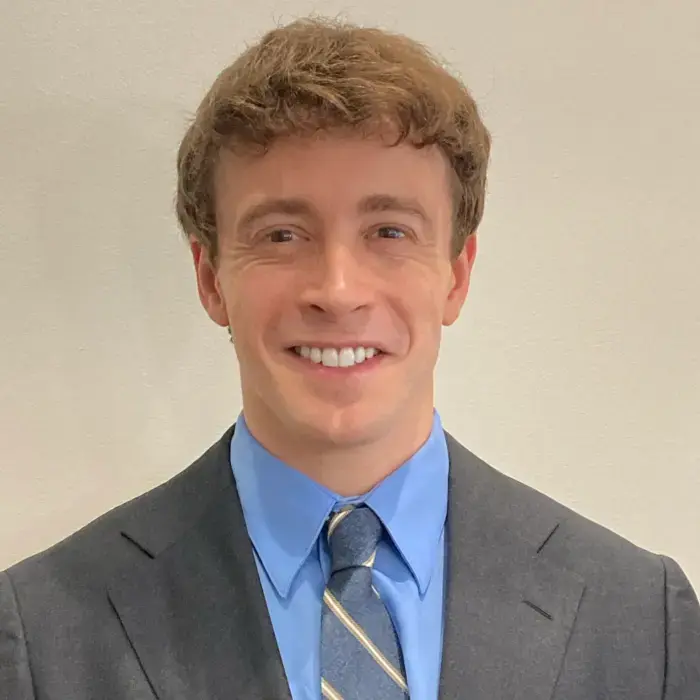
Biotechnology Innovation for Public Health
Hello! I’m a pandemic preparedness policy practitioner, epidemiologist, and health system researcher. I became interested in the intersection of biotechnology innovation, pandemic preparedness, and public health during my PhD studies, which overlapped with the COVID-19 pandemic.
Tim Durham
Roanoke
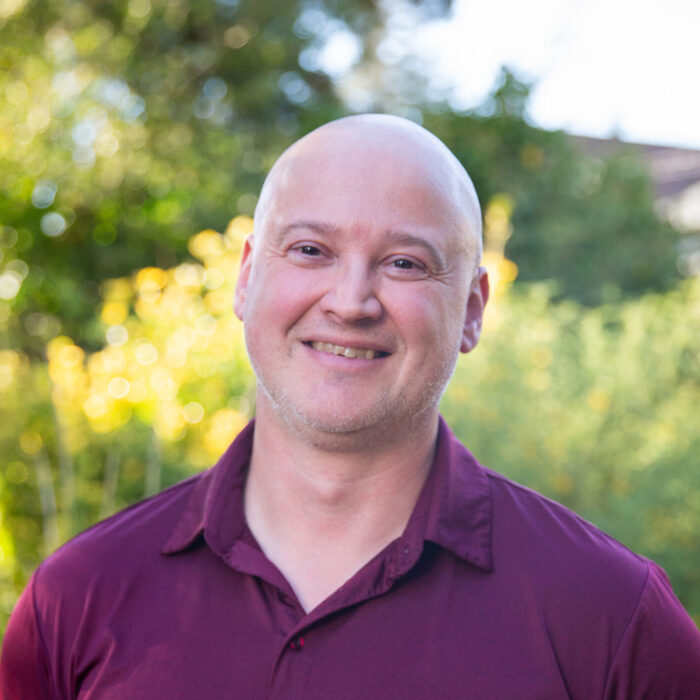
Tim is a lifelong agriculturist. His family operates Deer Run Farm – a 30-acre “truck” farm on Long Island, New York. As one of a handful of farms in the area, it faces unique challenges, especially those associated with urban-edge agriculture. As a result, Tim has a keen interest in...
Sam Enright
Dublin
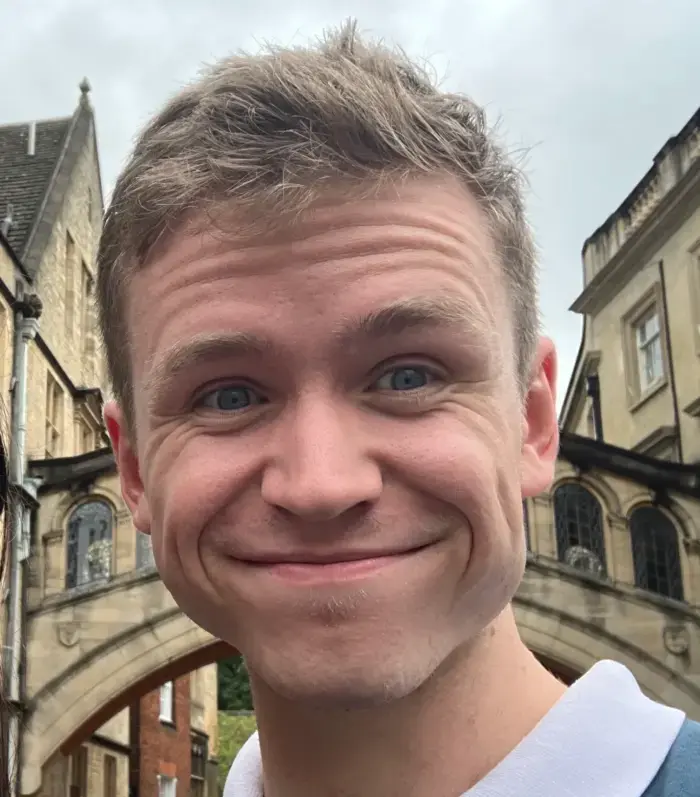
As an undergraduate, I studied economics and philosophy, and I just graduated. While I was a student, I spent a lot of my time blogging about assorted topics in economics, history, and philosophy on The Fitzwilliam and on my personal blog. Now, I lead innovation policy at Progress Ireland, a...
Étienne Fortier-Dubois
Montreal
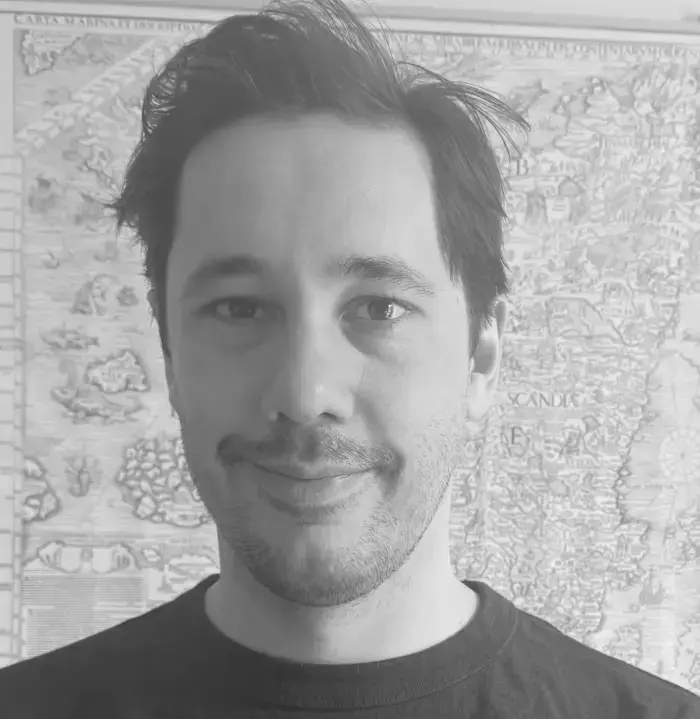
After studying biology and computer science, I worked as a software engineer and eventually became a specialist in AI evaluations at Elicit, a startup building an AI research assistant. In parallel, I’ve been building my writing career by blogging at Hopeful Monsters for 210 consecutive weeks, and publishing pieces in...
Lesley Gao
San Francisco

I have spent my career building and scaling tech startups across the United States and China, with deep, hands-on experience in China’s manufacturing and supply chain systems. That background shaped my interest in the deeper forces behind national progress such as industrial capacity, capital formation, and state market coordination. My...
Michael Hill
London
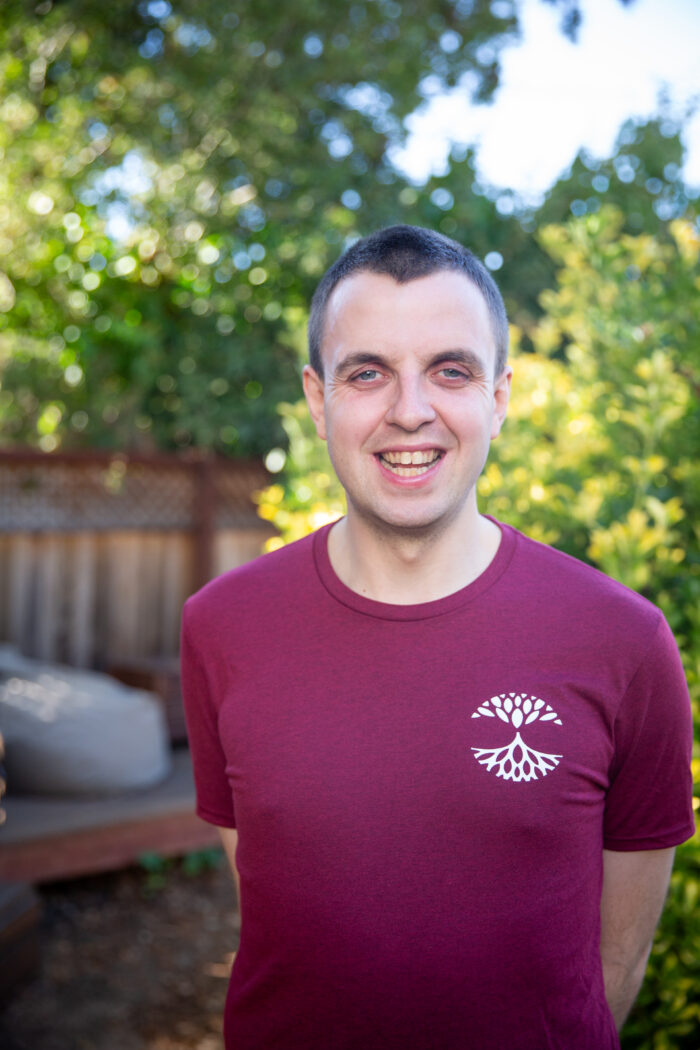
Until very recently, I was the Asia Pacific policy advisor at the UK government’s Department for Energy Security and Net Zero. I will soon be starting a role as policy researcher at the pro-progress, growth and abundance campaign organisation Britain Remade. I previously lived in East Asia for many years...
Heidi Huang
Boston, MA
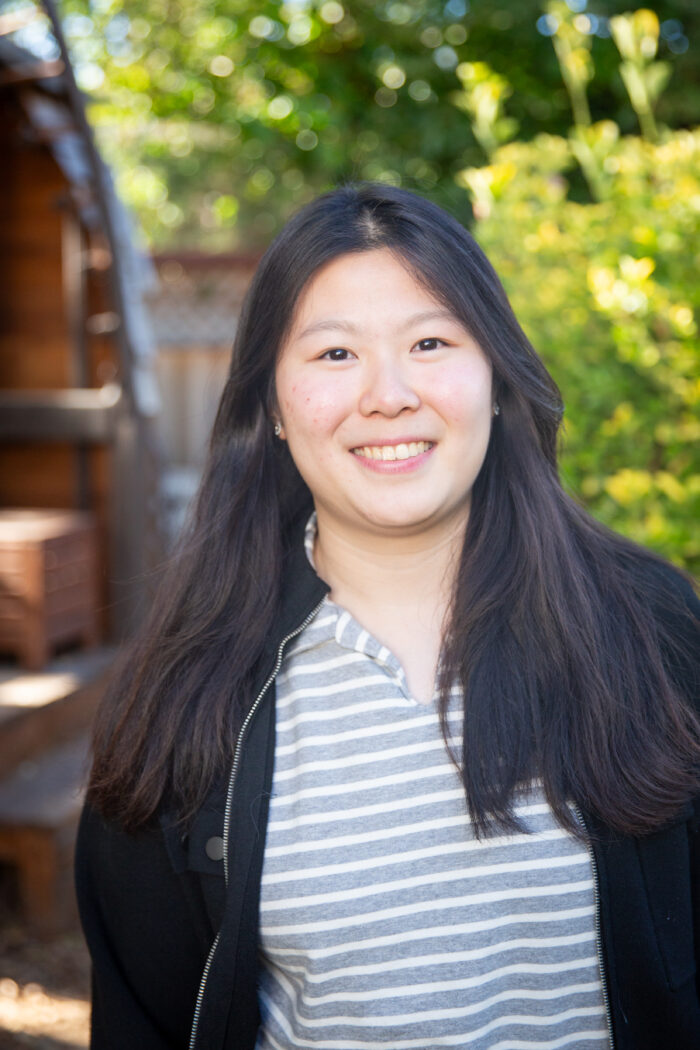
I first got hooked on neuroscience research as an undergrad at UC Berkeley. Coaching folks with end-stage renal disease on finding living donors in college made me realize medicine would benefit from more proactive approaches, which sparked my interest in aging research. Now at Feng Zhang’s lab at the Broad...
Hiya Jain
Ahmedabad, India
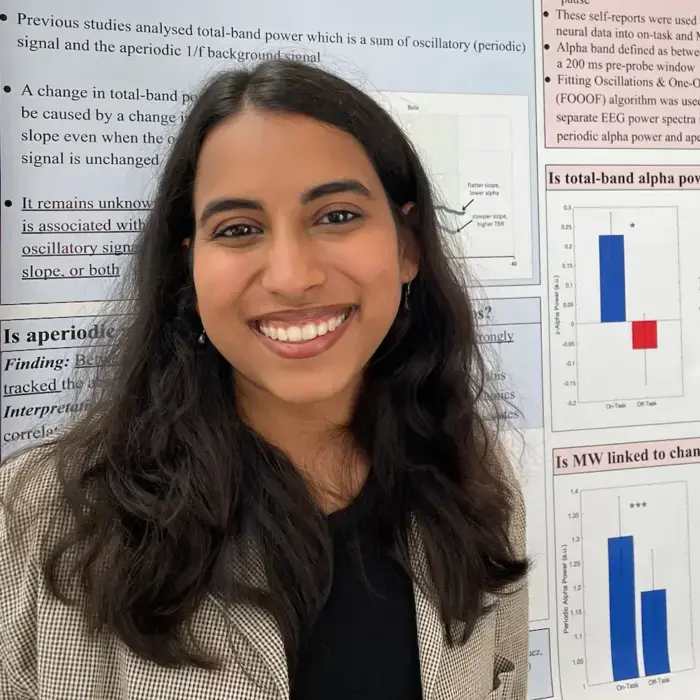
I recently graduated from Barnard College, Columbia University, where I double majored in History and Neuroscience. There, I wrote a thesis on aesthetics in mathematics and worked as a research assistant on a few book projects focused on global political and scientific histories. Now, I write about science, how institutions...
Adam Kroetsch
San Francisco
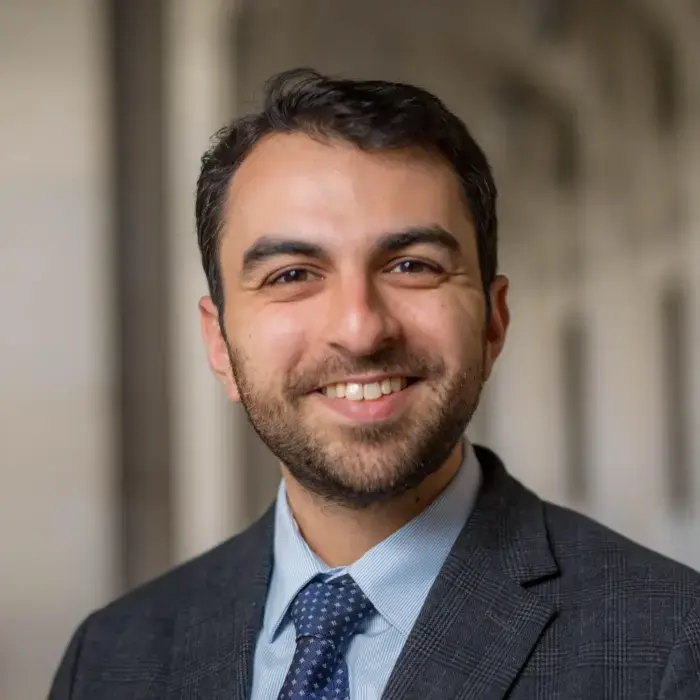
I’ve devoted my career to advancing biomedical innovation and public health, having worked at the FDA and in health policy research and think tanks. I’ve had firsthand experience shaping and implementing health policy and improving health data, and I’m excited to share what I’ve learned and learn from others in...
Alex Kustov
Charlotte, NC
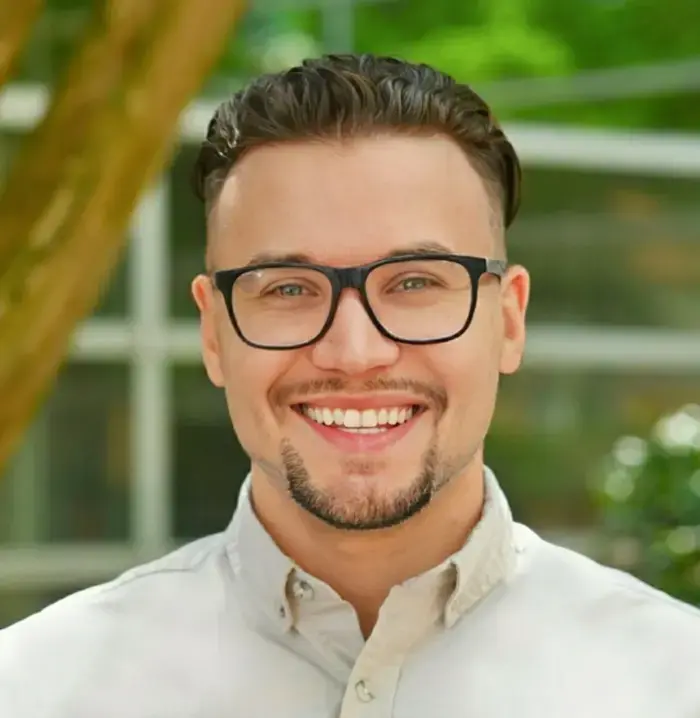
I’m a political science professor researching public opinion and democratic governance with a focus on immigration and other demographic issues. My work appears in top academic journals, has earned major awards, and is frequently featured by leading outlets and think tanks. My new book, “In Our Interest: How Democracies Can...
Allison Lehman
Minneapolis
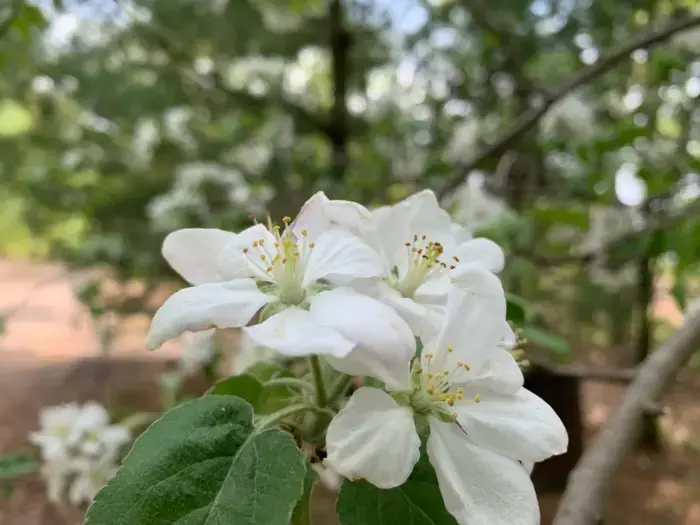
Raised on a generational fruit farm, Allison’s technical passion turned toward agriculture as soon as she could walk. She studied ag engineering and soil science, and worked alongside farmers on nutrient management. Today she works connecting researchers and specialty crop growers, helping researchers align their projects with growers’ greatest needs,...
Anton Leicht
Berlin

I write about the tricky politics that arise when fast progress meets slow institutions. In that setting, I think we have two choices: We get ahead of the wave and get it right, or we get swept away by it and roll the dice on how it goes. I hope...
Laura Mazer
Austin, TX
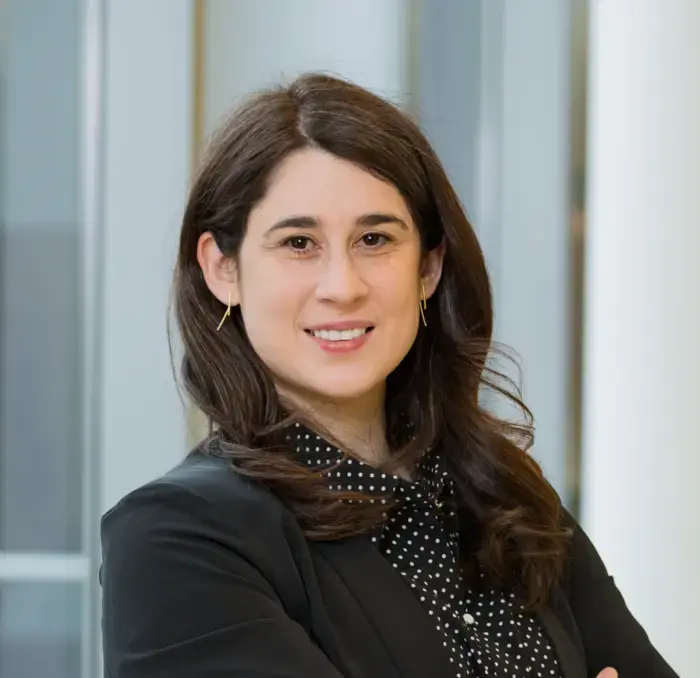
Dr. Laura Mazer is a board-certified surgeon who transitioned to a career as a full-time educator. She now writes at the intersection of history and medical science, exploring how new knowledge emerges and how old knowledge is improved.
Pouya Nikmand
Austin, TX
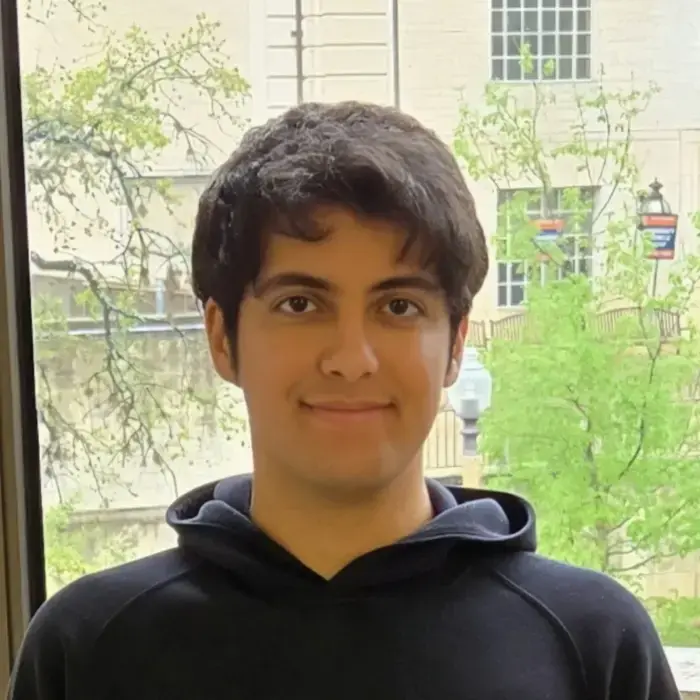
Pouya is a writer and freedom advocate who escaped the poverty and oppression of Iran at age 18, beginning an arduous seven-year journey to freedom that led him to the United States. Inspired by technology and a childhood viewing of the movie Ratatouille, he decided to risk everything to live...
Seán O’Neill McPartlin
Dublin
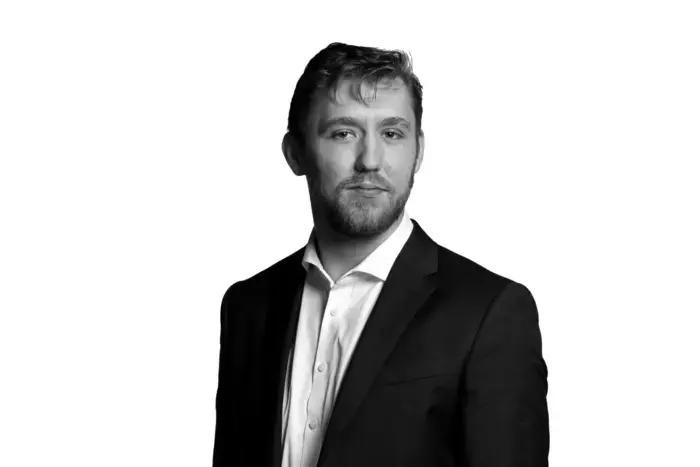
I am a co-founder and Director of Housing Policy at Progress Ireland. Before that, I volunteered with OneDaySooner, publishing articles in the British Medical Journal and Telegraph. My academic background is in philosophy and economic policy.
Ariel Patton
San Francisco, CA
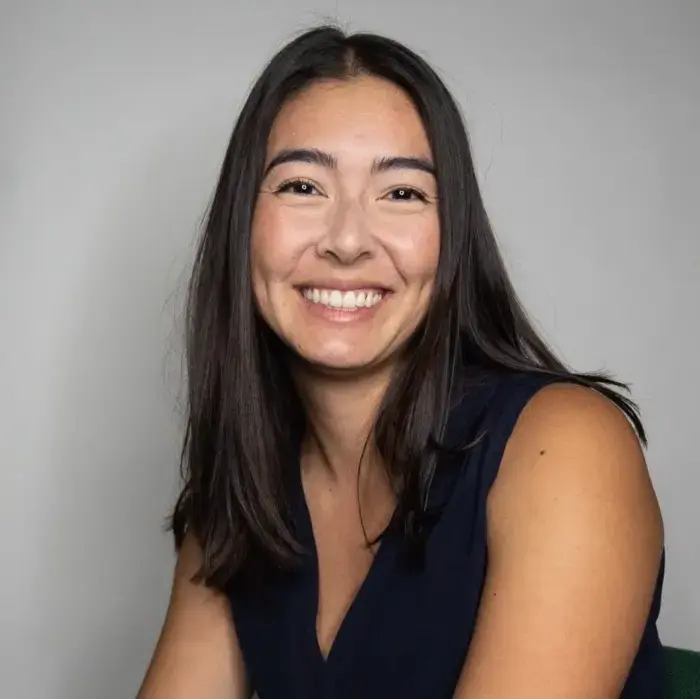
Ariel Patton writes and illustrates Topsoil, a monthly newsletter that delivers frameworks to help readers make sense of agriculture. Ariel is currently a Director of Product at InnerPlant, a company using bioengineering to allow plants to alert farmers of stressors in their fields. Ariel’s career has focused on driving digital...
Rhishi Pethe
San Francisco
I have spent my career using technology to solve problems across food and agriculture systems around the world. From this experience, I firmly believe that technologies like AI, genetics, automation, and others will play a major role in shaping a future where food and agriculture are more productive, sustainable, nutritious,...
Venkatesh Ranjan
Phoenix, AZ
I’m a molecular biophysicist with an interdisciplinary background in solid-state physics and microfluidics. My fascination with progress stems from a lifelong curiosity about the fundamental questions of science, the evolution of transformative ideas, and the dreams of science-fictional megastructures. I see progress as a multigenerational web woven from countless fragile...
Abby ShalekBriski
Raleigh, NC
I’m a PhD candidate in agricultural economics. For all intents and purposes, I’m a traditional “cows and crops” production economist. But growing up in rural Idaho and working closely with producers, I found myself thinking about more than just margins and yield curves — like why some farmers adopt new...
Ibis Slade
Austin, TX
When COVID hit, I was training to become a master electrician. I left the trade and worked as a Montessori teacher, thinking about progress from the ground up. Later, I became a junior fellow at the Ayn Rand Institute, studying philosophy and culture. That path led me to historical journalism....
Colleen Smith
New York
Colleen is an Emergency Medicine doctor, practicing in hospitals in New York City since 2012. She completed a fellowship in medical simulation and education. Beyond her clinical work, she has been involved in administration and curriculum development for physician training programs and medical student education. She has published in medical...
Benedict Springbett
London
I’ve been interested in urbanism for over a decade now. I like beautiful, walkable, dense cities, and the transit that makes them possible, and I’m particularly interested in sharing lessons from other countries with the Anglosphere. I’m also studying to be a lawyer, and used to work as a public-sector...
Smrithi Sunil
Madison, Wisconsin
I am a research scientist studying brain health using multimodal imaging. I combine light and electron microscopy to understand proteins that cause neurodegeneration in Alzheimer’s and Parkinson’s disease. Previously, I studied neuromodulators like dopamine and serotonin in decision-making, and, during my PhD, I investigated how stroke alters the coupling between...
Karthik Tadepalli
San Francisco
I am finishing an economics PhD at UC Berkeley, with a twin focus on development economics and the economics of science and technology. My blog will focus on the intersection of these two – technology policy in developing countries. How important is technological self-sufficiency? How does the innovation ecosystem in...
Deric Tilson
Washington, DC
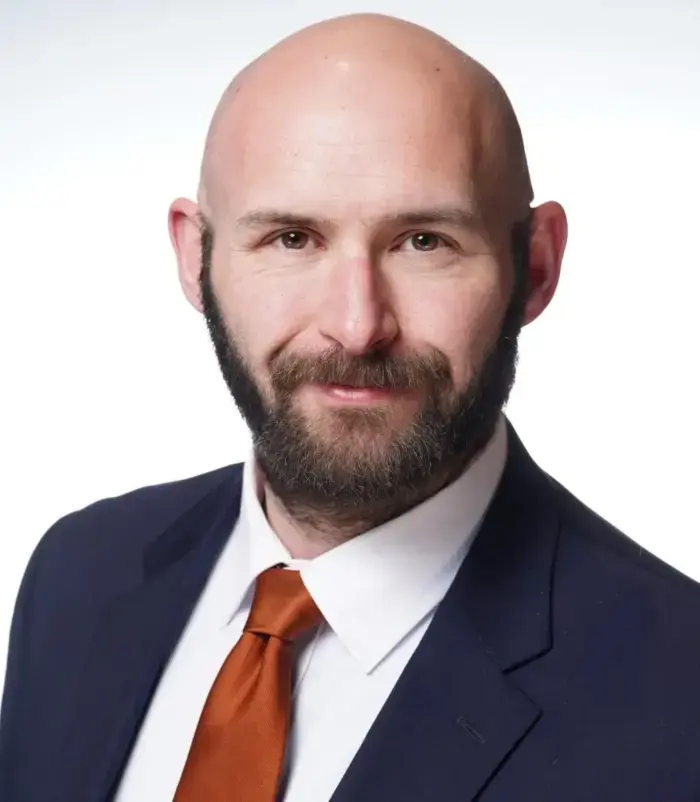
I am an energy economist working on nuclear commercialization and innovation at the Breakthrough Institute. I have a background in energy markets, and my dissertation focused on residential solar. I grew up in rural Appalachia, spending my time hiking, escaping into sci-fi novels, and later exploring the mountains. My childhood...
Nehal Udyavar
Toronto
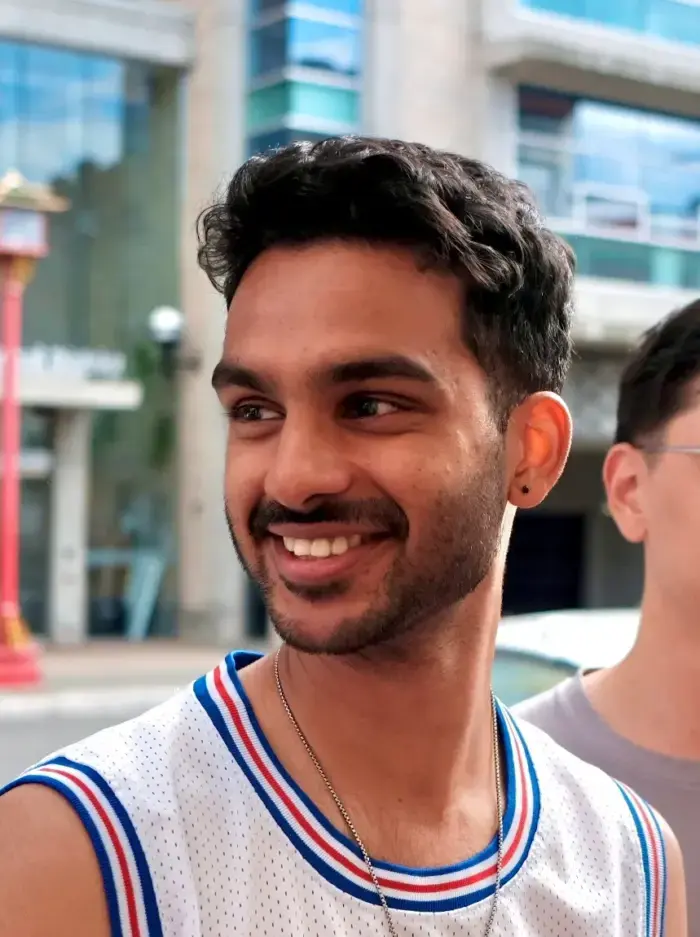
My background is in software engineering, which I got into because I couldn’t stand my university’s LMS software and figured I could build a better one myself. This ignited a burning desire to improve the way we learn, which eventually led to Newt Interactive, my website for interactive STEM explainers....
Elizabeth Van Nostrand
San Fransisco
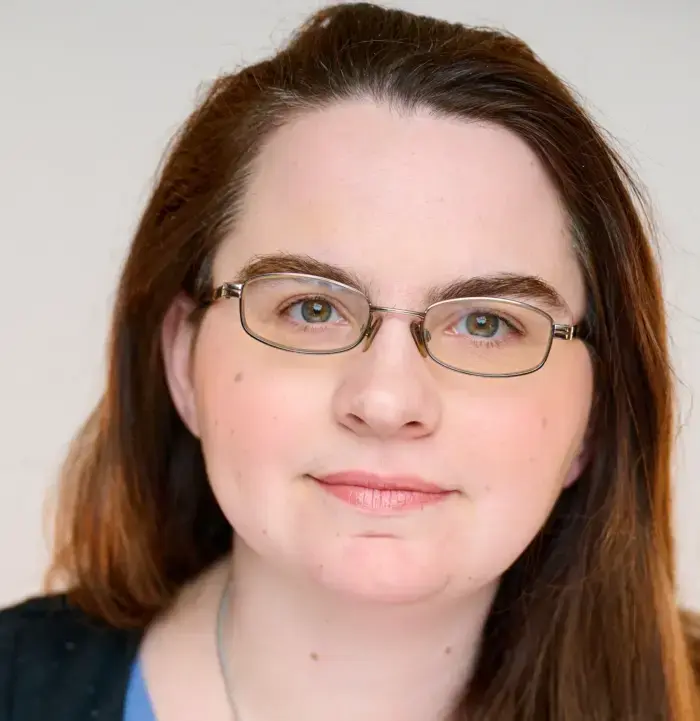
You know that xkcd comic about wanting to major in everything? I managed to make that my job, and it’s as great as it sounds. Some topics I’m considering for the fellowship: The boring part of Bell Labs (because PS keeps retreading the same parts), AI research tools (for the...
Kelly Vedi
Orlando
How do we progress if we fail to pass on what we know to the next generation? I’ve grappled with that question throughout a career that has taken me from teaching high school math to building business–education partnerships in Silicon Valley to helping expand youth apprenticeships across the United States....
Afra Wang
San Francisco/London
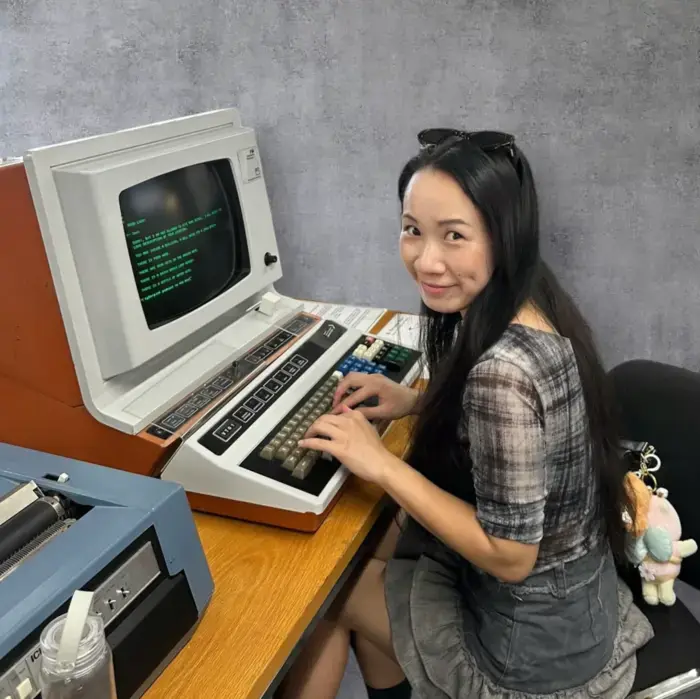
Afra bridges Silicon Valley and China as a bilingual writer who understands technological progress from both sides of the Pacific. After growing up in China and working for five years in Silicon Valley across AI, media, and crypto, she brings unique insights into how different institutional arrangements enable—or constrain—innovation. Her...
2024
Our 2024 fellows
Show moreDean Ball
Washington D.C.
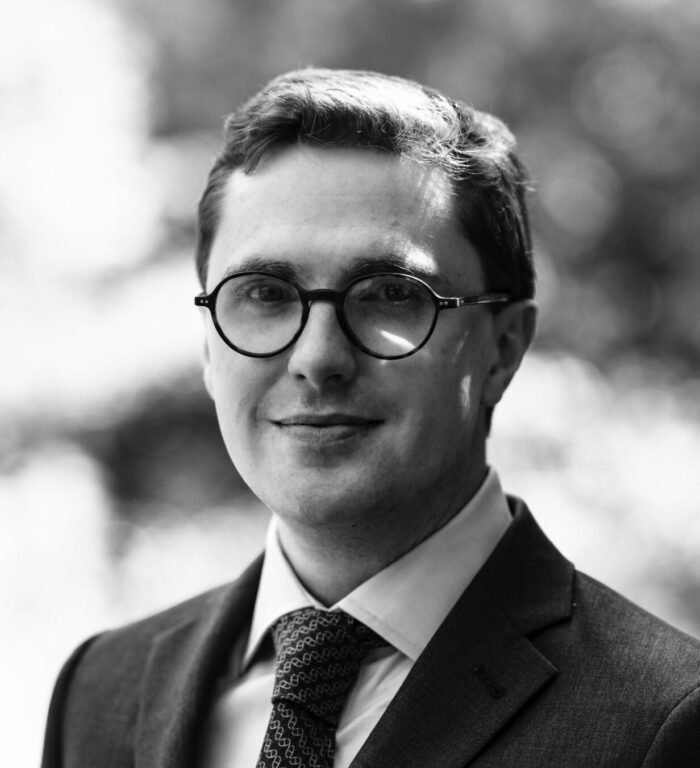
I spent most of my career doing state and local policy research, allowing me to observe the inner workings of government up close. The rest of my career has been in educating young people in economics, policy, and political theory, which helped me learn to tell compelling stories to non-specialist...
Rosie Campbell
Oakland, CA
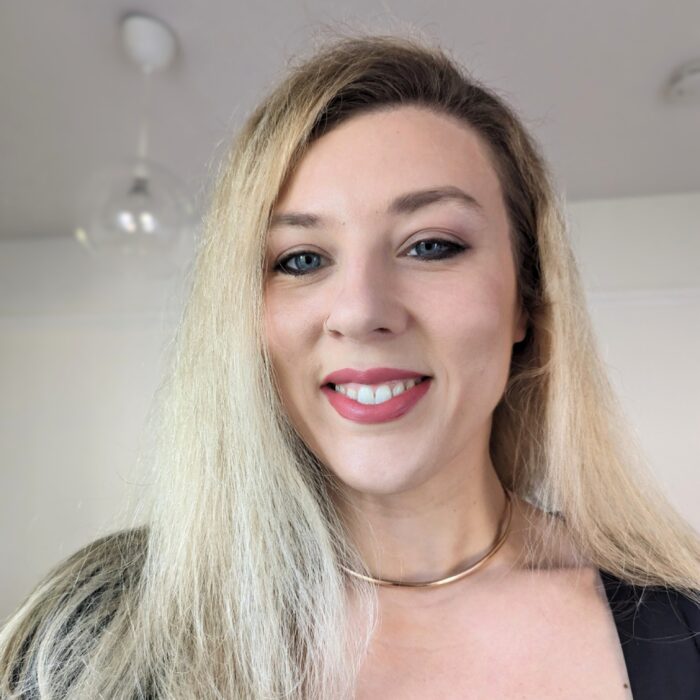
After getting nerd-sniped by machine learning, I started to realize that society was on the brink of transformation, and the result could be abundance and flourishing, or it could be catastrophic. In 2017, I left my role in research engineering to focus on positively shaping the trajectory of AI. I...
Sarah Constantin
New York, NY
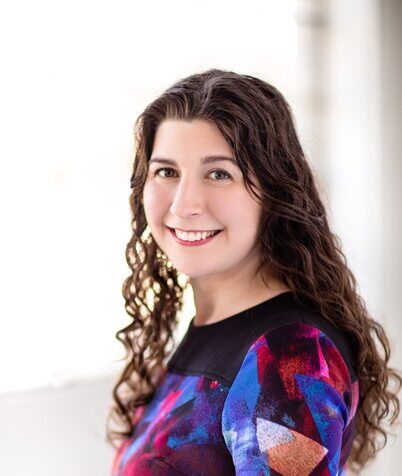
I’m a “science generalist” — math PhD, worked at various startups that use AI/ML for different applications (drug discovery, self-driving vehicles, semiconductor manufacturing) and I’ve been blogging about science/tech topics for a general audience for many years. I’m interested in “big” speculative technological ambitions — longevity, human enhancement, etc, the...
Dynomight

Dynomight is a blog about statistics, science, DIY, health, lists, philosophy, aspartame, and air purifiers.
Sean Fleming
Santa Monica, CA
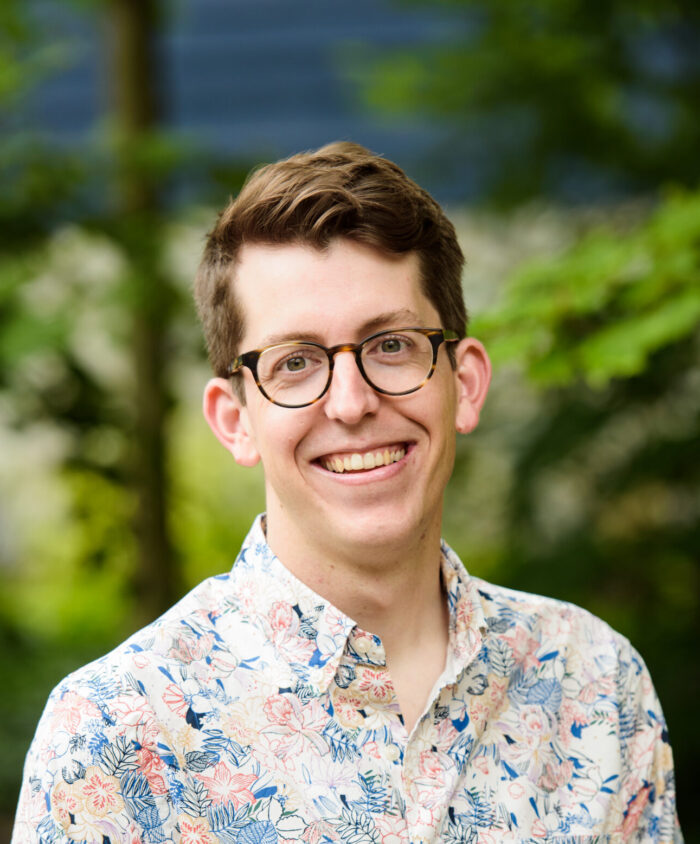
I have a background in consulting, primarily in energy & natural resources (think: electric utilities, gold mines, oil & gas pipelines). This has given me a visceral appreciation for the wondrous complexity of our built civilization and the industrial processes that underpin it, but also the many opportunities to improve....
Jeff Fong
San Francisco, CA
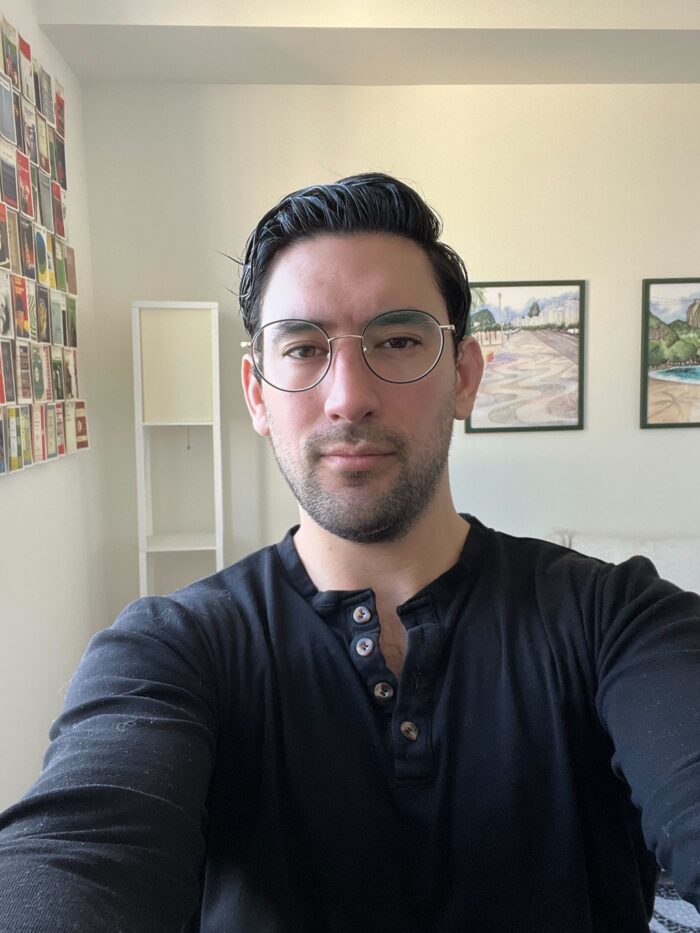
Jeff Fong is a writer, technologist, and housing activist. He writes about cities, technology, and the future at Urban Proxima, is a longtime contributor to Market Urbanism, and has been featured in publications like Caos Planejado and Progress and Poverty. Professionally, Jeff was an early-stage employee at companies like Lyft...
Lauren Gilbert
London, U.K.
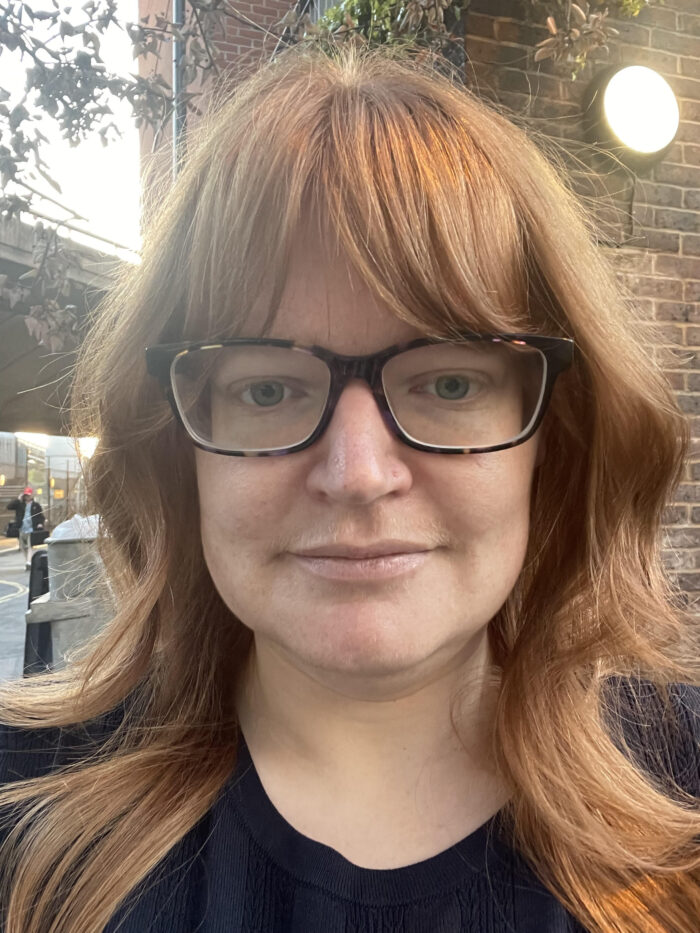
I am interested in progress studies for the developing world. Policy for a better world should not be limited to the US and Europe; I aim to write about innovation and policy in the rest of the world as well. I am currently a research fellow at Open Philanthropy on...
Dominik Hermle
Berlin, Germany
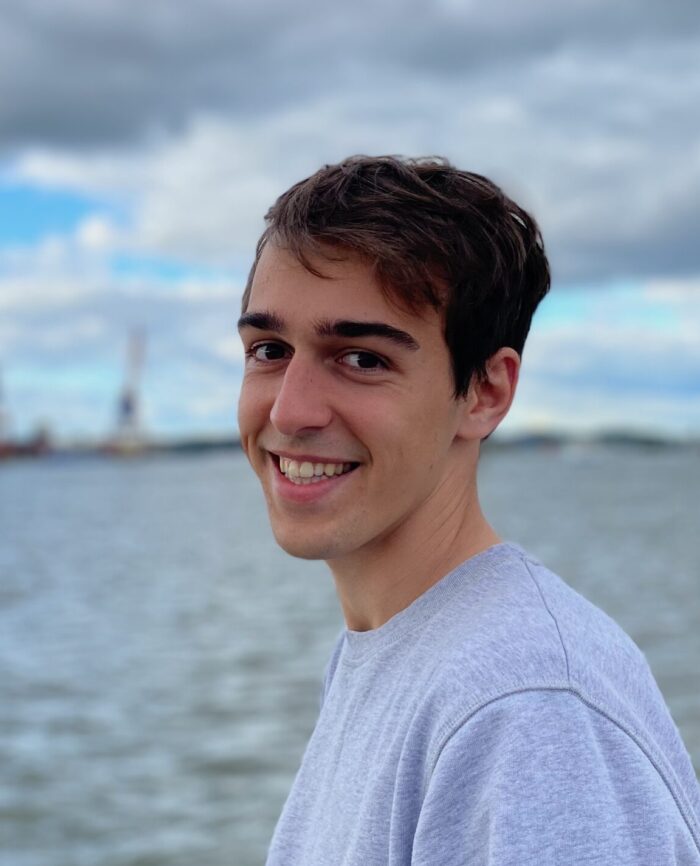
I am a German medical doctor and clinical neuroscientist pursuing a career in science policy and technology governance. Throughout my academic journey, I’ve always been passionate about using scientific rigor to understand public policy issues and their political interface. In particular, I am interested in applying a progress-driven perspective to...
Mary Hui
Hong Kong
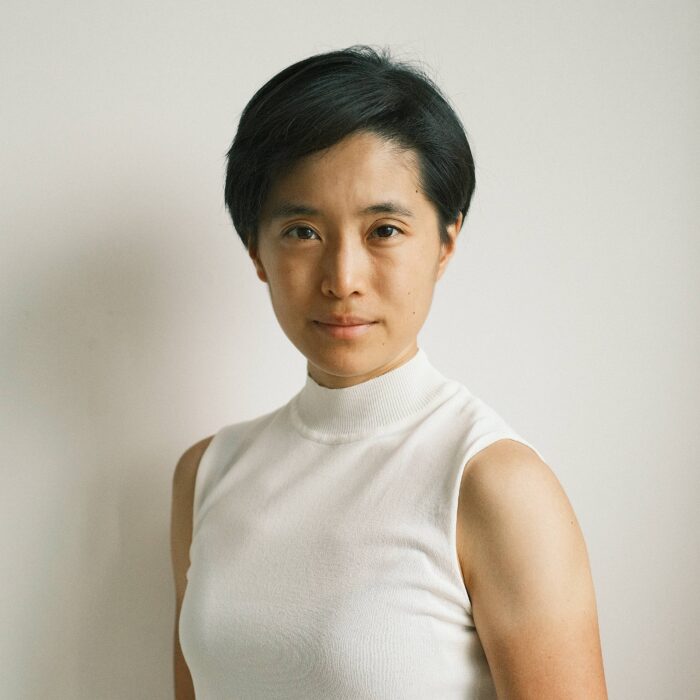
I write a/symmetric, a weekly newsletter on the global industrial contest, where production is power and competition is (often) asymmetric. As a journalist and researcher covering industrial strategies, my writing is informed by open-source research on Chinese industrial programs and technological capabilities. Previously, I was a reporter at Quartz, covering...
Ben James
London, U.K.
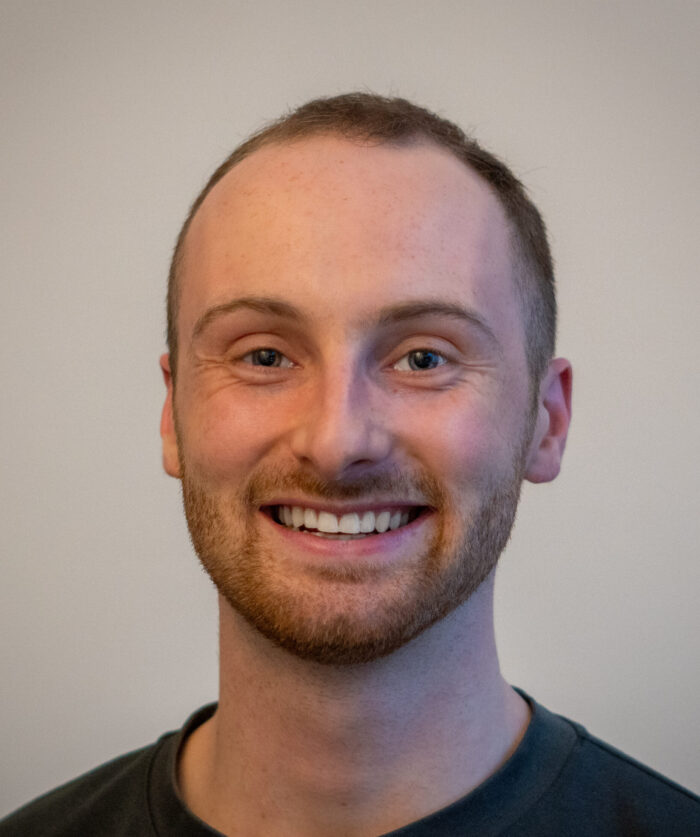
Ben writes words and pictures about climate tech. He studied engineering at Cambridge and works on decarbonising the grid at Axle Energy.
Kevin Kohler
Geneva, Switzerland
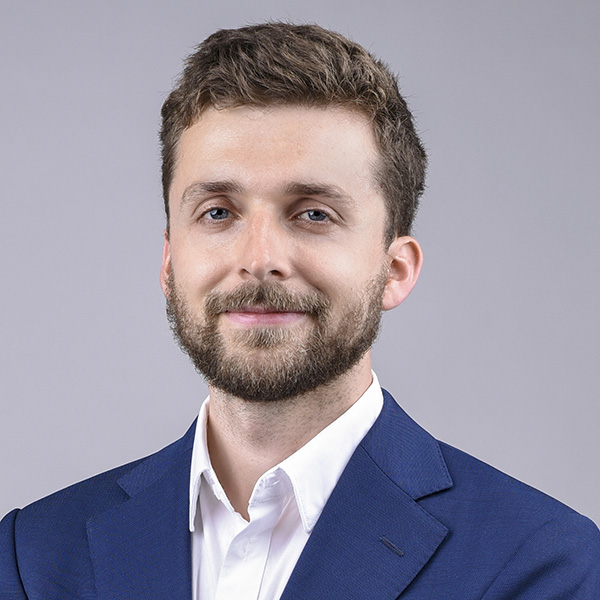
My professional background is in risk management, foresight, and technology policy. From 2022 to 2024, I worked as an insights specialist for the Global Risks team of the World Economic Forum and managed the Global Future Council on Complex Risks. Before that, I was a senior researcher in the Risk...
Rob L’Heureux
San Francisco, CA
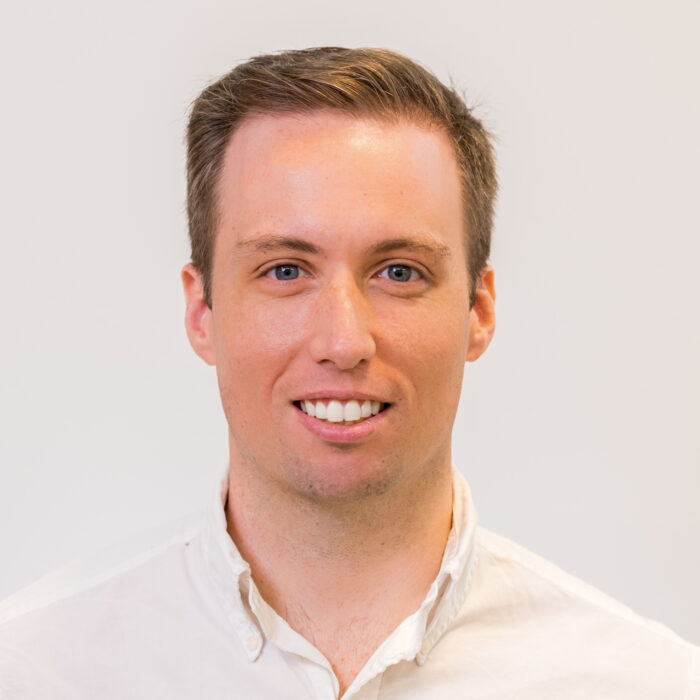
I am a builder at heart. Previously, I worked as a mechanical design engineer at Lutron, brought chips to market for Intel, crafted the story for Intel Custom Foundry, and built the product marketing function at Carbon, an advanced manufacturing startup. My career is about progress in the micro: how...
Robert Long
San Francisco, CA
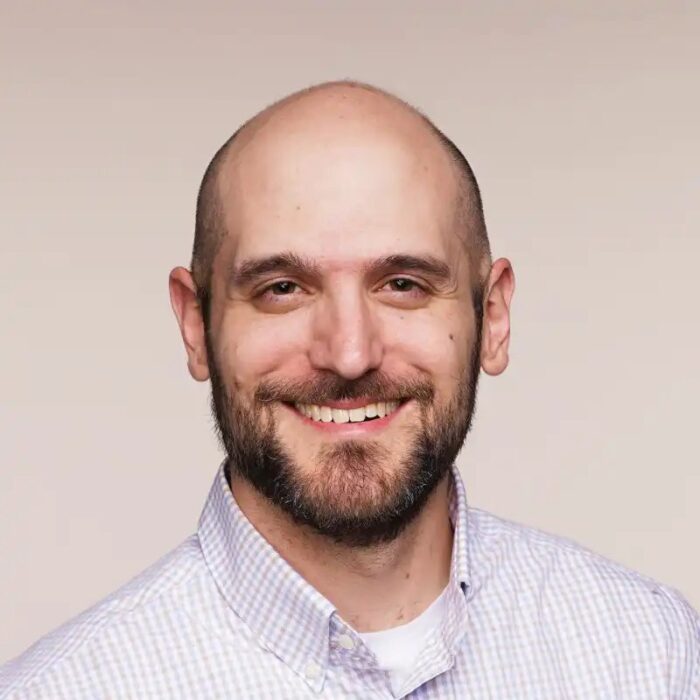
Rob Long is the co-founder of a new organization that will evaluate AI systems for consciousness, sentience, and agency. He has been thinking about these issues since doing a PhD in philosophy, and has recently been advising AI labs on them. We need much clearer scientific understanding of these phenomena...
Quade MacDonald
North Bend, OR
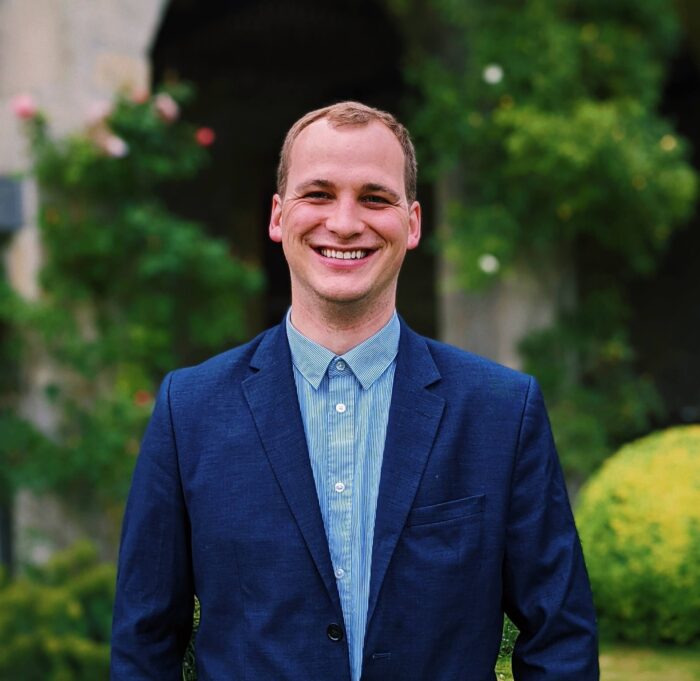
I grew up thinking that humans would be living and working in space in my lifetime, and I watched pessimistically as little progress was made. I remember watching the first time SpaceX launched and landed a rocket, and thinking that creating amazing futures might still be possible, but required the...
Niko McCarty
Boston, MA
I’m a founder of Asimov Press, a publishing venture that explains how science and technology improve human and animal flourishing. I’m also Head of Creative at Asimov, a biotechnology company in Boston advancing the intelligent and rational design of living cells. I studied biochemistry at university and spent four years...
Duncan McClements
Bracknell, U.K.
Duncan is an economics student at Cambridge and a Research Associate at the Adam Smith Institute. His prior research has focused on mechanism design – how to design structures that align incentives by default – and applying this to provide the first estimates in a general equilibrium model of the...
Jordan McGillis
San Diego, CA
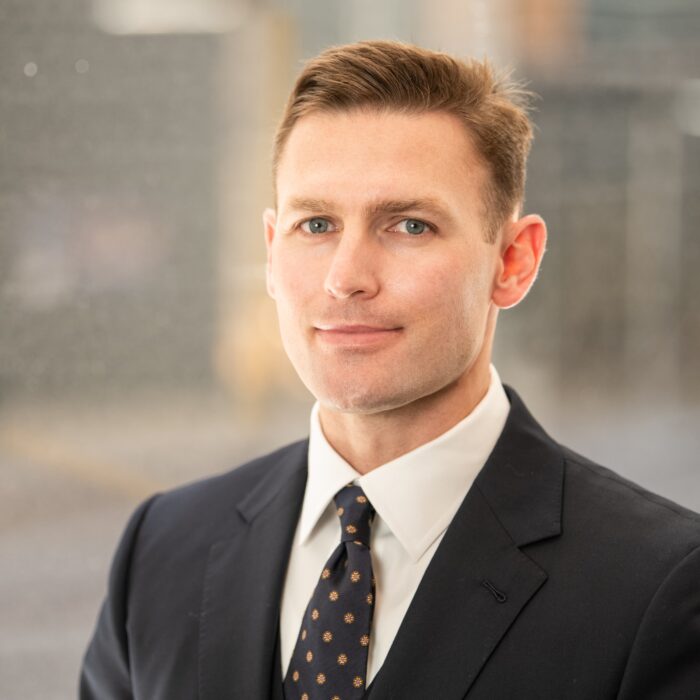
I’m the economics editor of City Journal and an adjunct fellow at the Global Taiwan Institute. Previously, I was deputy director of policy at the Institute for Energy Research. For the Roots of Progress Blog-Building Intensive Fellowship, I’ll focus on chip manufacturing, a topic that brings together my interests in...
Jonah Messinger
London, U.K.
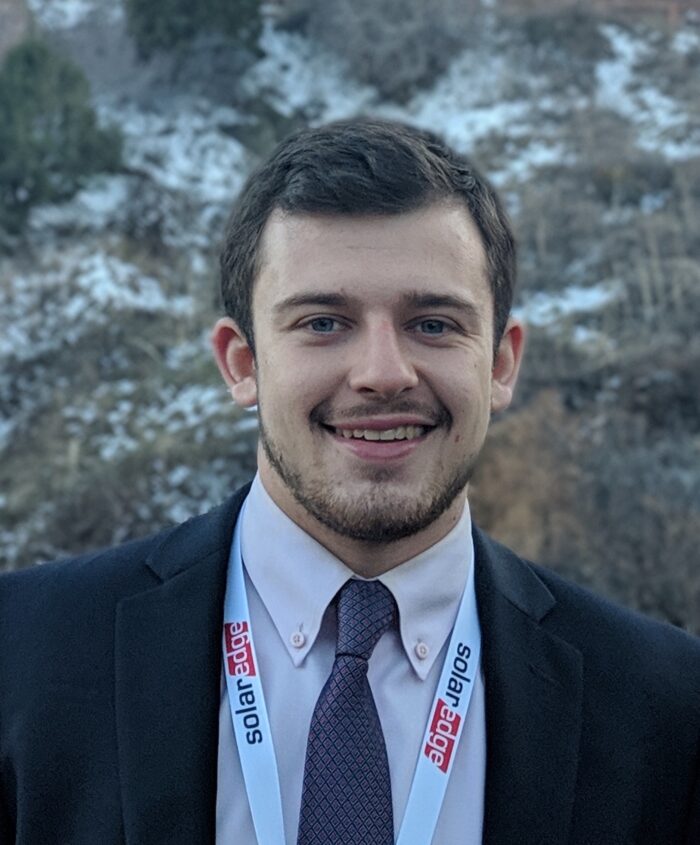
The progress studies community piqued my interest while I was working on energy policy and ecomodernism at the Breakthrough Institute. My interest has evolved into a fascination with how scientific discovery and technological revolution are often preceded by ambiguous anomalies. Learning how to identify and constructively engage those anomalies can...
Andrew Miller
Toronto, Canada
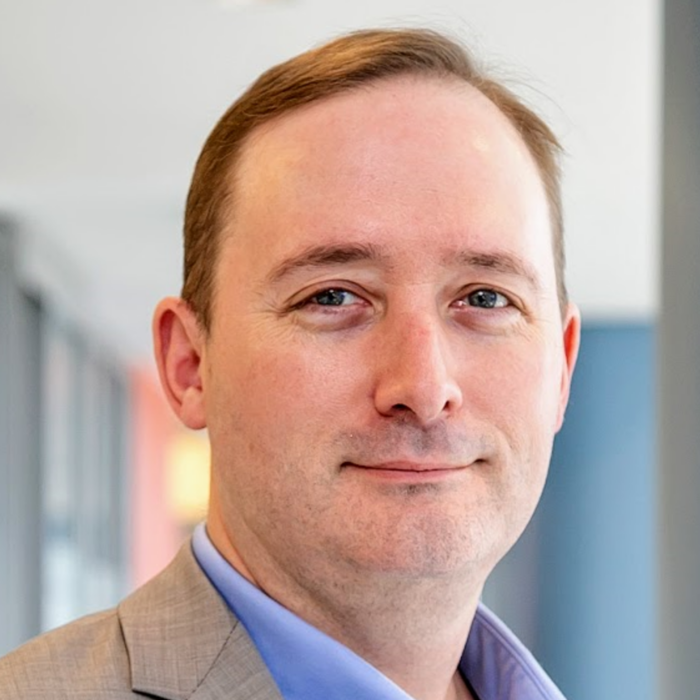
I have been interested in transportation innovation throughout my career. I started out working on transport funding and policy for the government of Ontario, and later planned a new rapid-transit line for the city of Mississauga; this experience taught me the value of good transport for cities. My later experience...
Grant Mulligan
Golden, CO
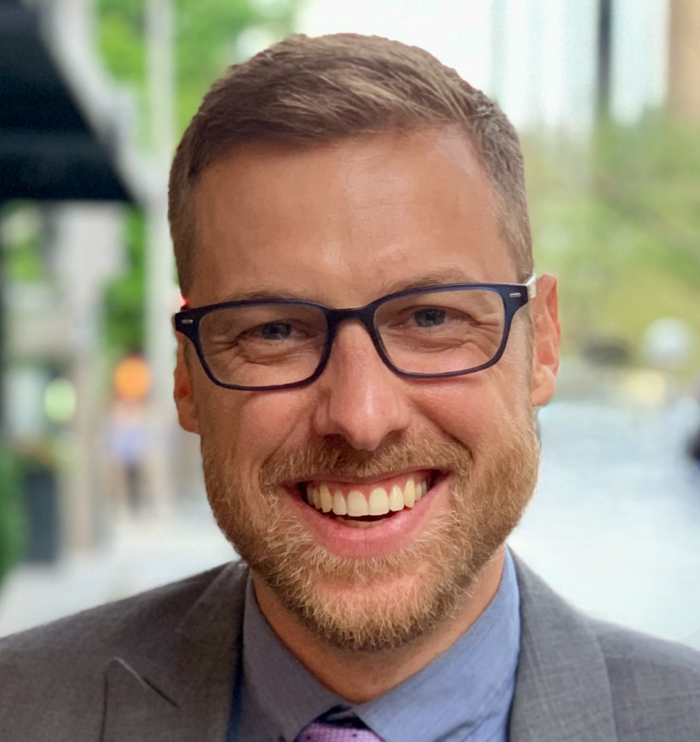
I began my career as a wildlife biologist breeding and releasing endangered species back to the wild, but I quickly learned that I didn’t want to keep a few species from teetering into extinction. I wanted to keep them from approaching that point in the first place. Since then, I’ve...
Steve Newman
Portola Valley, CA
I’ve been a technical founder at eight software startups, one of which became Google Docs. The day GPT-4 was announced, I fell down the AI rabbit hole. I’m now working on a nonprofit initiative with two paired goals. First, to facilitate productive discussions about AI, its trajectory, and potential impact....
Jannik Reigl
Munich, Germany

As the Media and Policy lead for a nuclear fusion startup, I manage and strategize media and public stakeholder engagement. My role involves shaping industrial policies, public support, and regulatory frameworks to advance fusion technology. I work closely with government agencies, policymakers, and regulatory bodies to ensure compliance and to...
Julius Simonelli
San Diego, CA
I have spent most of my career working in AI and machine learning. Over time, I became increasingly interested in the social, ethical, and philosophical implications of AI—both its potential to help solve humanity’s greatest challenges and its risks if not developed thoughtfully. In this program, I will explore topics...
Ruxandra Teslo
Cambridge, U.K.
I am a Genomics PhD student who has taken a keen interest in biotech innovation throughout my studies. This included interning as a biotech analyst for early-stage VC firms. I have become particularly interested in reproductive technologies, since I believe this has traditionally been an ignored topic and also because...
2023
Our 2023 fellows
Show moreBrian Balkus
Los Angeles
My professional background has primarily revolved around corporate strategy and market intelligence in the engineering/construction sector, working for firms that specialize in designing and building large energy and power infrastructure projects. I have become fascinated by why we seemingly can’t build these projects well in the U.S. and have written...
Maarten Boudry
Ghent, Belgium
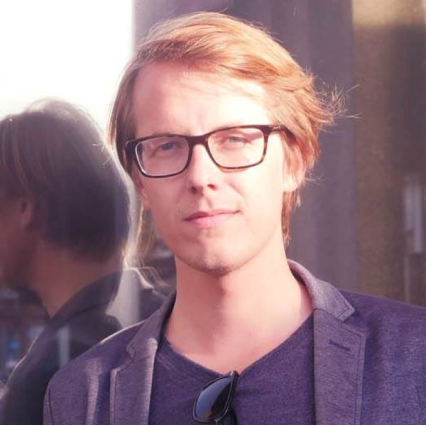
I’ve been fascinated by human progress ever since I first learned about the yawning gap between the way we think the world is and the way it actually is (Hans Rosling’s ‘Ignorance Project’). When I first heard about the amazing achievements of humanity over the past 200 years, I was...
Malcolm Cochran
Washington, D.C.
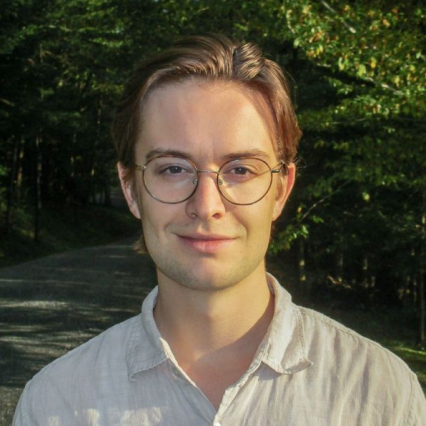
Early in his education, Malcolm noticed a contradiction: we constantly hear about everything that’s wrong with the world, but most evidence shows things are getting better. After graduating from college, he began working for Human Progress, an organization dedicated to publicizing long-term improvements in human well-being. Malcolm is currently focused...
Jeremy Côté
Sherbrooke, Québec, Canada
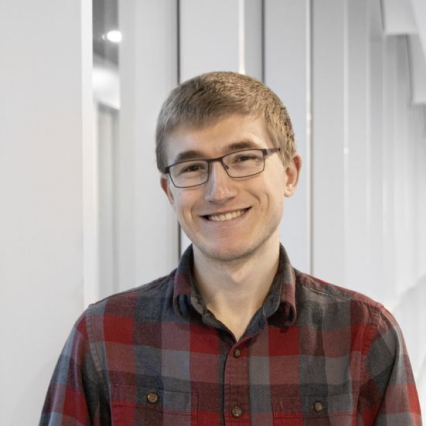
I studied physics to sharpen my mathematical toolbox and to understand how the world works. This same curiosity brought me to progress studies. During the program, I’ll explore two topics: how we improved at weather and climate forecasting, and the invisible infrastructure enabling our daily lives. These topics matter because...
Grant Dever
Austin, TX
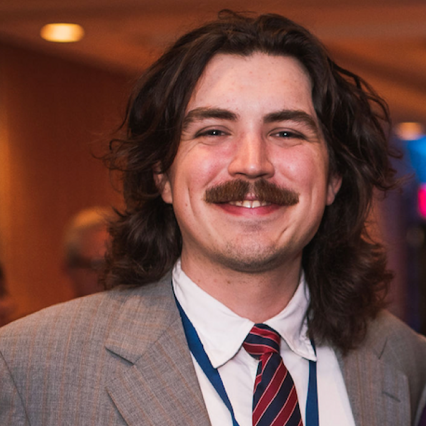
Grant grew up in a small town outside of Rochester, NY. There he developed a deep appreciation for nature, community, friendship, and the internet. Although Grant has been posting online since he was in his early teens, his formal writing career accelerated when he published his book, Lead The Future:...
Elle Griffin
Salt Lake City
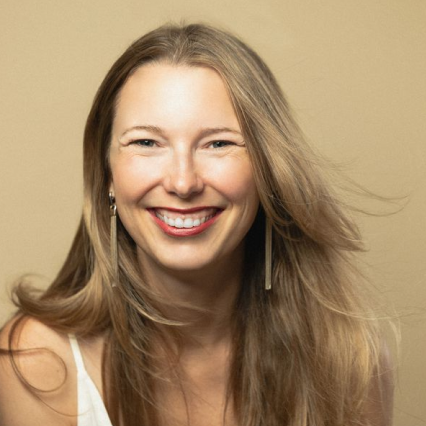
Elle Griffin writes The Elysian, a weekly newsletter that thinks through a better future (Mondays) and utopian fiction that brings it to life (Fridays). She is currently studying 2000+ years of utopian thought and is exploring how we can better capitalism, democracy, and the systems that support humanity.
Paige Lambermont
Orlando
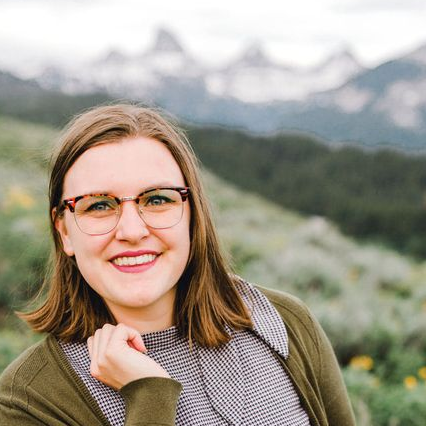
Paige’s main interests are in the way that energy and technology can come together to make people’s lives better, her work as a Policy Analyst at the Institute for Energy Research focuses on the essentiality of reliable power for industry and private life, with a focus on the role of...
Laura London
Santa Monica
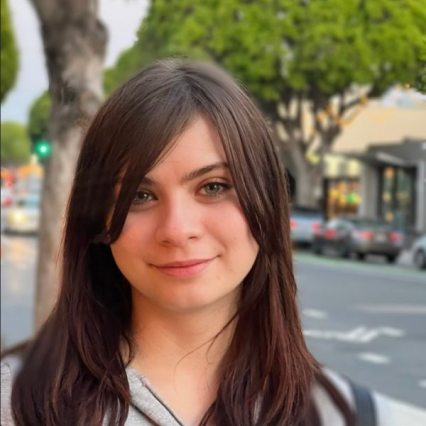
Laura has been interested in water abundance ever since moving to drought-stricken Los Angeles. After digging deeper, she came to an alarming realization: California has been unable to increase water capacity for 40+ years, despite a ~70% population increase. Her professional background in writing started 7 years ago as a...
Tina Marsh Dalton
Winston-Salem, NC
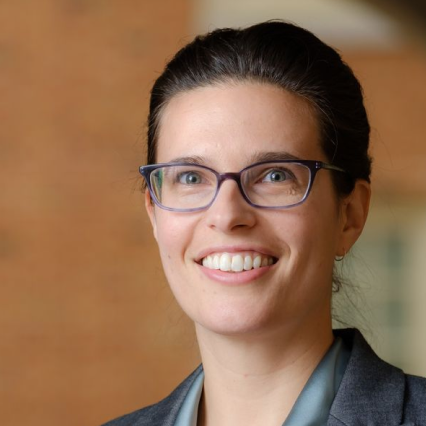
Tina is a professor of economics who has been researching how healthcare markets work (or don’t work!) for over 15 years. Her research focuses on improving healthcare by analyzing the efficiency of markets that provide care, the impact of information on patient and provider choices, and how policy affects health...
Florian Metzler
Boston
I’ve been interested in radical technological change throughout my life. This led me to become a research scientist at MIT, where I work on ways to decouple nuclear energy from radioactivity and on ways policy can promote radical innovation. To better understand the drivers of radical innovation, I have also...
Fin Moorhouse
Oxford

I have an effective altruism background, and I’ve researched and written about existential risks, space governance, and pandemics — mostly while at Oxford University’s Future of Humanity Institute. I also co-host a podcast where I speak to experts on AI, law, biosecurity, and more. I’m excited to learn and write...
Jenni Morales
Salt Lake City
Jennifer grew up surrounded by nature in northern Utah. She has always been fascinated by humans’ relationship with nature and with how we harness natural resources to improve and transform our lives. She has a degree in Economics, which influences how she approaches research problems—always asking what the tradeoffs are...
Connor O’Brien
Washington DC
I’m a researcher at a U.S. think tank primarily concerned with place-based policy and the ingredients that go into successful localized clusters of talent, investment, and creation. Given how rare and how important they are, I’m interested in exploring the kinds of policies that make such clusters more likely to...
Ryan Puzycki
Austin
Ryan has been in love with cities since childhood and has lived in several, including New York, Boston, San Francisco, London, Madrid, Tokyo, and now Austin. While he has written professionally as an equity research analyst and elsewhere on a range of political and cultural topics, his experience building and...
Jacob Rintamaki
San Francisco
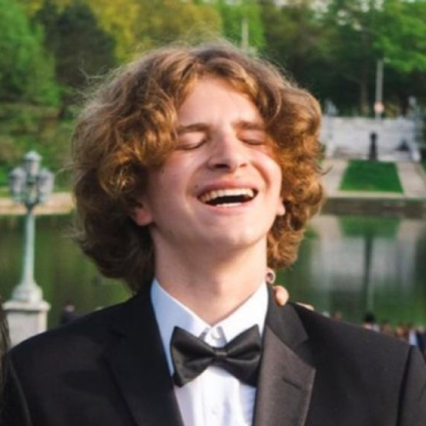
I started as a battery chemist at Case Western, working at a battery informatics and a cement startup before I came to Stanford. Here, I fell in love with space and biotech, which led me to almost drop out to become a research engineer at Retro Biosciences. My aim with...
Raiany Romanni-Klein
Boston
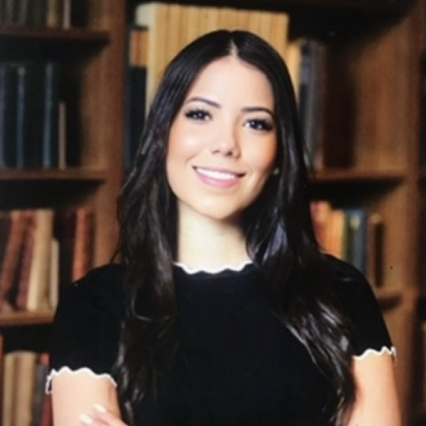
Raiany spends most of her time thinking about how converging technologies will transform governments and human nature in the coming decades. She’s particularly interested in why secular humans narrate aging as a net-positive, teleological phenomenon—and in the negative effects of this narrative on economies and people. She has written for...
Max Tabarrok
Boston and D.C
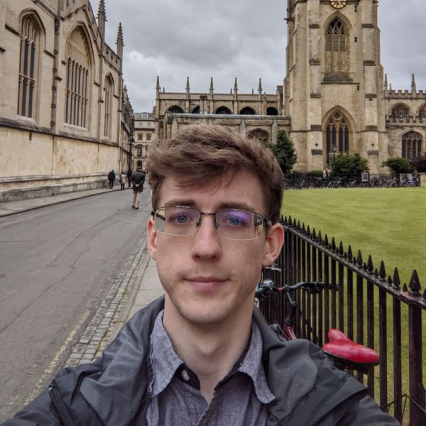
I started writing online in college, but I grew up surrounded by economists and bloggers, so debating and discussing ideas has always been a big part of my life. I got interested in progress through two observations. First is what Diedre McCluskey calls “The Great Fact:” The immense growth of...
Alex Telford
Zurich
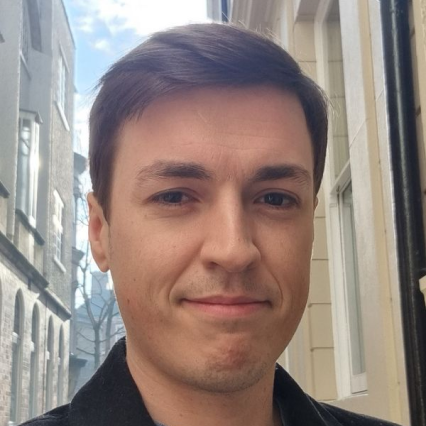
Alex is interested in using writing to explore important questions in biology, the business of biotech, and sustainable biomedical innovation. Alex studied biochemistry at university, and subsequently worked for nearly 7 years as a consultant to life science companies. In September 2023, he left his consulting job to found Convoke,...
Madeline Zimmerman
New York City
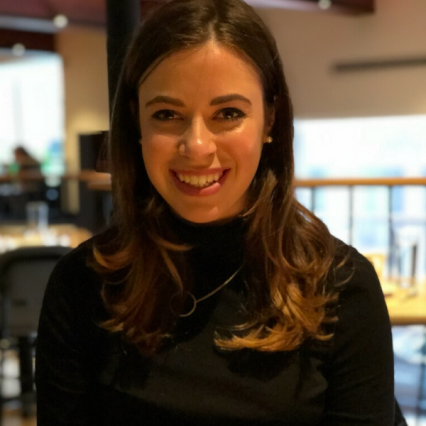
Madeline writes about the procurement, development, and fielding of defense technology as well as the specific organizations and people enabling or hindering progress. While weapons and war may appear to be the inverse of progress, there is a rich history of commercial technology originating with or being facilitated by the...
Sponsors

Cosmos Institute is creating a philosophical movement to connect the principles of human flourishing with the future of technology and AI.
At Alpha, we believe more than anyone else we know that kids are limitless. Our students spend only 2 hours a day on core curriculum through personalized technology, freeing up the rest of the school day to focus on life skills, masterpiece projects, and their passions.