
My Mission
Seeing the light
Until about 100 years ago, diseases regularly spread through untreated water. Between the 1860s and 1920, successive outbreaks of typhoid fever killed over 300,000 Americans. We solved this problem by building water treatment plants. Now, when you turn on the tap in most places, you don’t have to worry about drinking germs with your water.
You do have to worry about inhaling germs with the air that you breathe, especially indoors. The COVID pandemic made this clear to all of us: it killed over seven million people, and demonstrated how rapidly airborne pathogens can spread in poorly ventilated spaces.
Just as filtration and chlorination made drinking water safe at scale, we now have the tools to do the same for indoor air: ventilation, high-quality filters, and germicidal light.
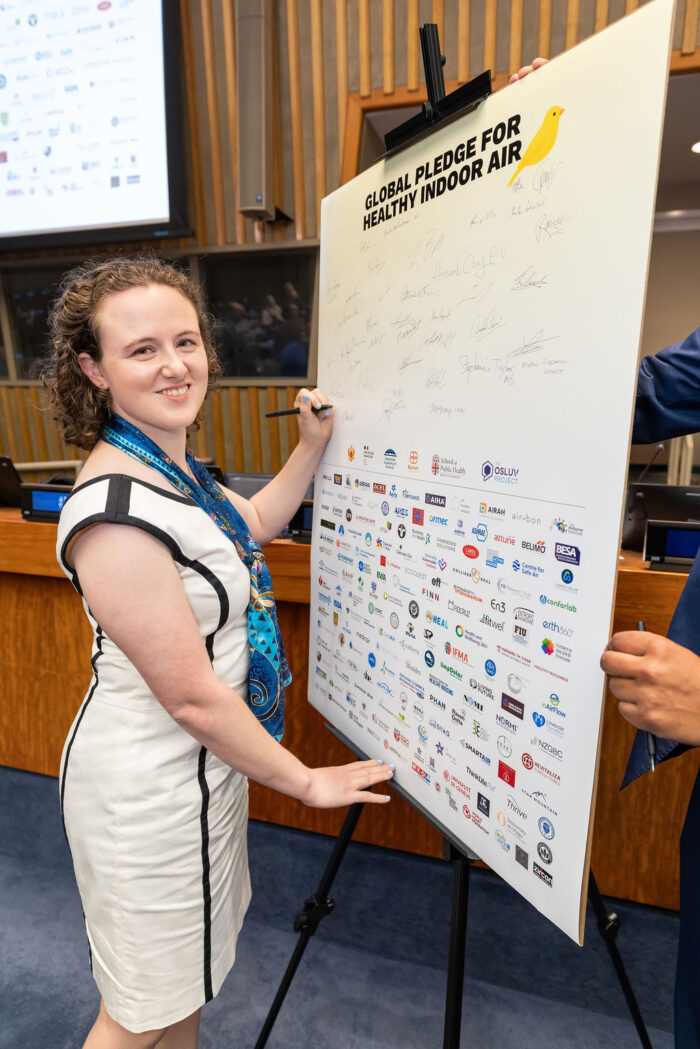
I work on preventing diseases by researching and advocating for indoor air quality policy. I think about how we can design studies to evaluate which tools work best (germicidal light like far-UVC vs. filters vs. opening windows and fans), and in which settings (schools vs. office buildings vs. homes). I also write about these topics to get people excited about solving these problems.
If this work is successful, corona viruses and over airborne diseases will join water-born diseases like typhoid and cholera as tragedies of the past. Let’s make clean air as universal and expected as clean water.
My Path
I grew up outside of Washington, D.C. where my parents both worked in government. I’ve been fascinated by policy since I was young. I studied physics because I wanted to understand the world, then mechanical engineering to work on improving it, hands-on—but always with my eye on ultimately working in science policy.
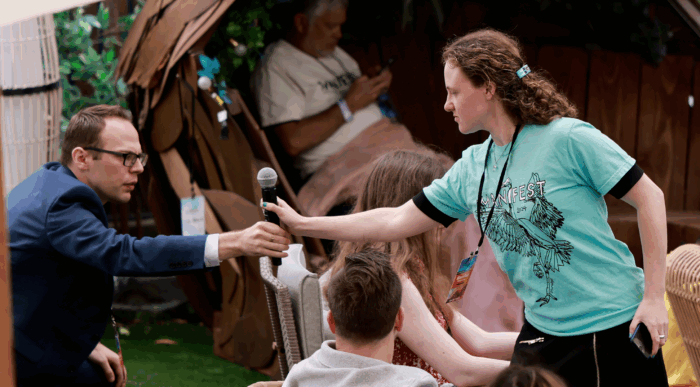
When COVID hit, I felt useless in my mechanical engineering lab while a pandemic was raging. So I volunteered for 1Day Sooner, a not-for-profit started in 2020 to advocate for challenge trials, where people volunteer to be intentionally exposed to COVID in a controlled research setting, an approach that can accelerate vaccine development.
Post COVID, 1Day Sooner has a broader mission: ending infectious diseases, sooner, through a range of methods. My volunteering led to a full-time job with a deeply motivating mission—saving lives by preventing infectious diseases. I love the people I work with. And working here allowed me to go straight from my MS to policy—without doing the PhD that I had thought was the gateway to doing science policy.