

My Mission
To build better medical systems by combining surgery, teaching, and leadership
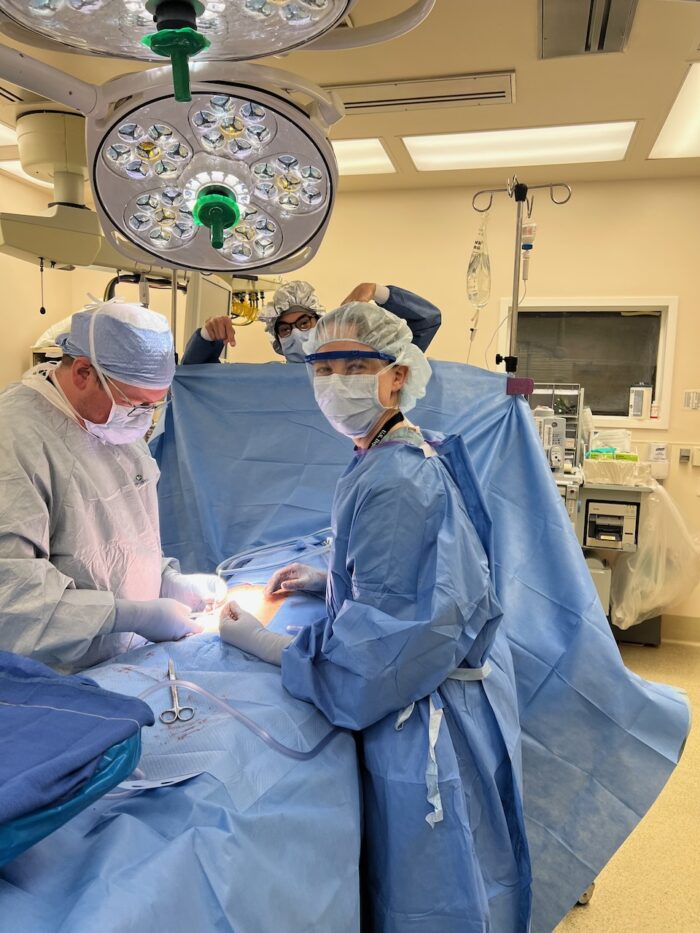
My mission is to improve how medicine is practiced—not only through excellent clinical care, but through better systems, stronger teams, and meaningful education. I believe that the skills that make an outstanding physician are not limited to grades or publications, but include communication, responsibility, teamwork, and the ability to lead within complex systems.
Clinically, I am driven by the immediacy and systems-level thinking of trauma and acute care surgery. Educationally, I am deeply committed to teaching and mentoring medical students and trainees. At the leadership level, I want to learn how to create hospitals that operate with clarity, accountability, and human dignity—both in my own community, and globally.
My Path
From a childhood shaped by medicine to an interest in surgery and systems
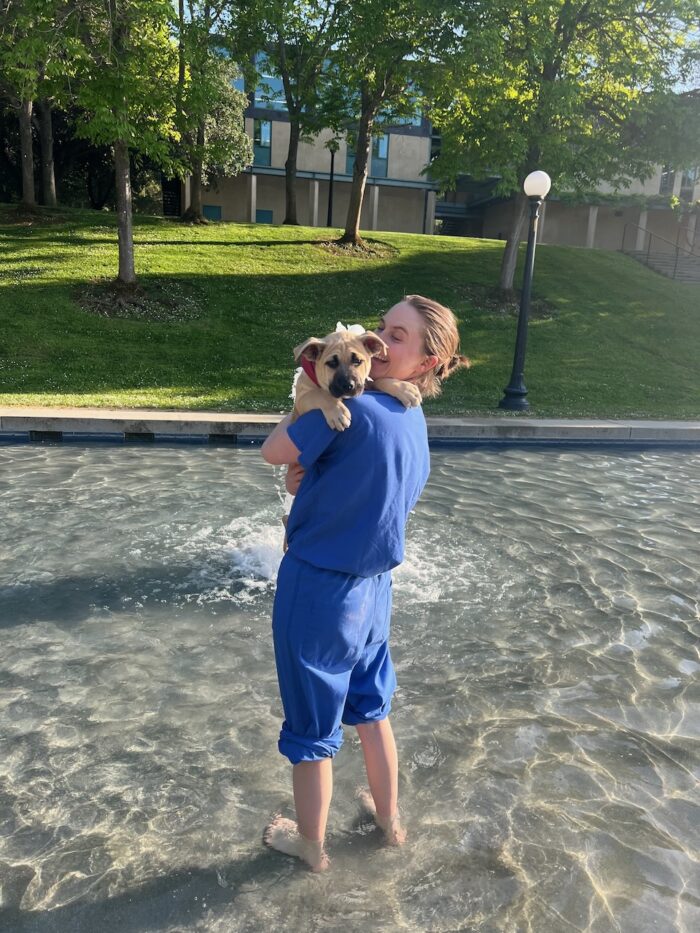
I was born and raised in New York City. When I was six, I lost my father after a coronary angioplasty. That early exposure to medicine, and a childhood spent between a low-income household and an elite academic world, shaped how I see health and healthcare systems.
On full financial aid, I attended an all-girls private school in NYC. By age twelve, when I started studying anatomy in school, I knew I wanted to become a doctor. Encouraged by teachers and mentors who recognized my love of science, medicine became a steady thread through my life. At the same time, I worked as a waitress in high school to help support my family and spent time working on farms internationally, developing a deep interest in food and community.
I attended Stanford for my undergraduate education on a full scholarship. There, my understanding of medicine widened dramatically through exposure to global health work. I traveled to Nepal with a student health group and later received a grant to go to India, where I fell in love with public health work in resource-limited settings. I received a Fulbright Scholarship and lived for a year in India focused on maternal health.
Although I was deeply drawn to global health, I also felt a consistent pull back to direct patient care. While in India—before taking the MCAT—I received an unexpected email from a childhood friend offering me a position as a personal assistant to a well-known chef in New York City. The role required research, writing, logistics, and extreme responsibility. I committed for two years. That experience became some of the most rigorous professional training of my life and later proved foundational for surgical training: learning closed-loop communication, accountability, teamwork, and how to function without defensiveness under pressure.
I attended medical school at Brown and then returned to Stanford for general surgery residency. As I’ve gone through training, I have increasingly realized that exceptional outcomes require more than just technical skill. Teamwork, communication, and healthcare systems have a huge impact on results. I’m now in my second year of residency, and I’m drawn to trauma and acute care surgery. I love the teamwork, the holistic approach to patient care, and the need to think beyond the operating room. In the future, I hope to combine my clinical practice with hospital leadership, helping to build better hospitals and stronger systems to improve patient care.